
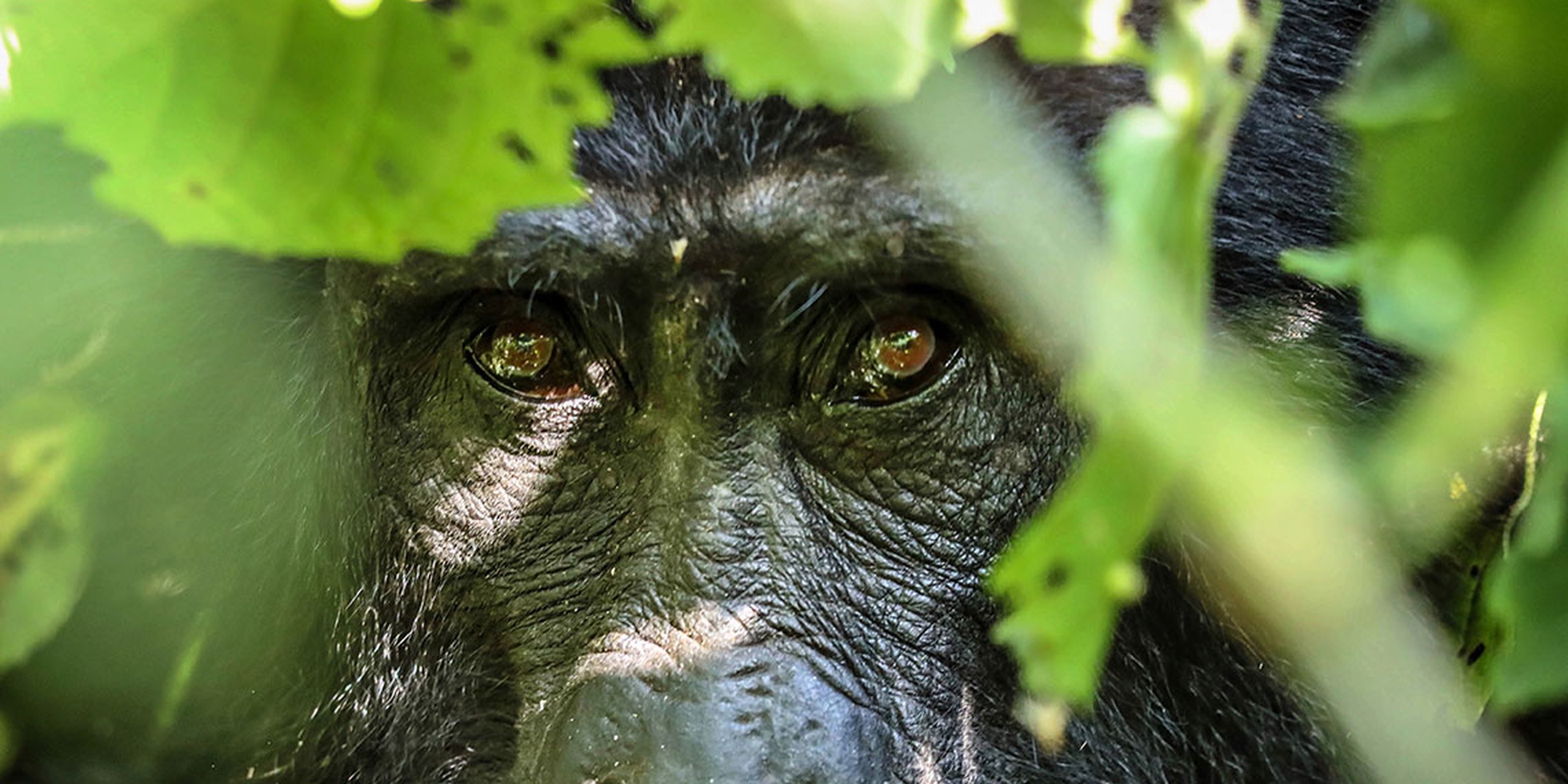
Discover the Wild Beauty of East Africa
Experience breathtaking gorilla trekking, wildlife safaris, and cultural adventures across Uganda, Kenya, Tanzania, and Rwanda.
Your Gateway to Unforgettable African Adventures
Ossicones Safaris is a premier safari company operating in Uganda, offering unique and immersive travel experiences in one of Africa's most diverse and breathtaking destinations.
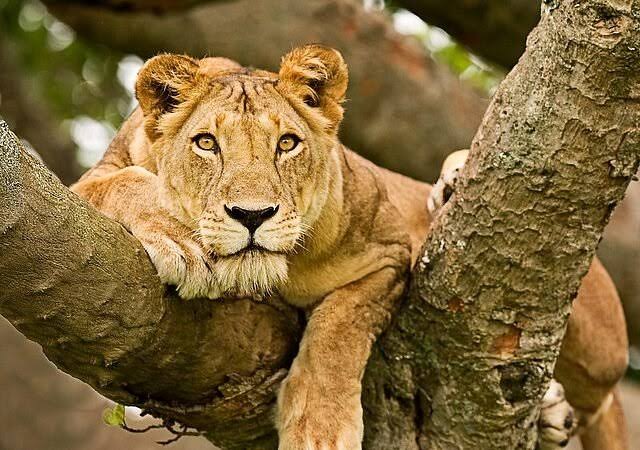
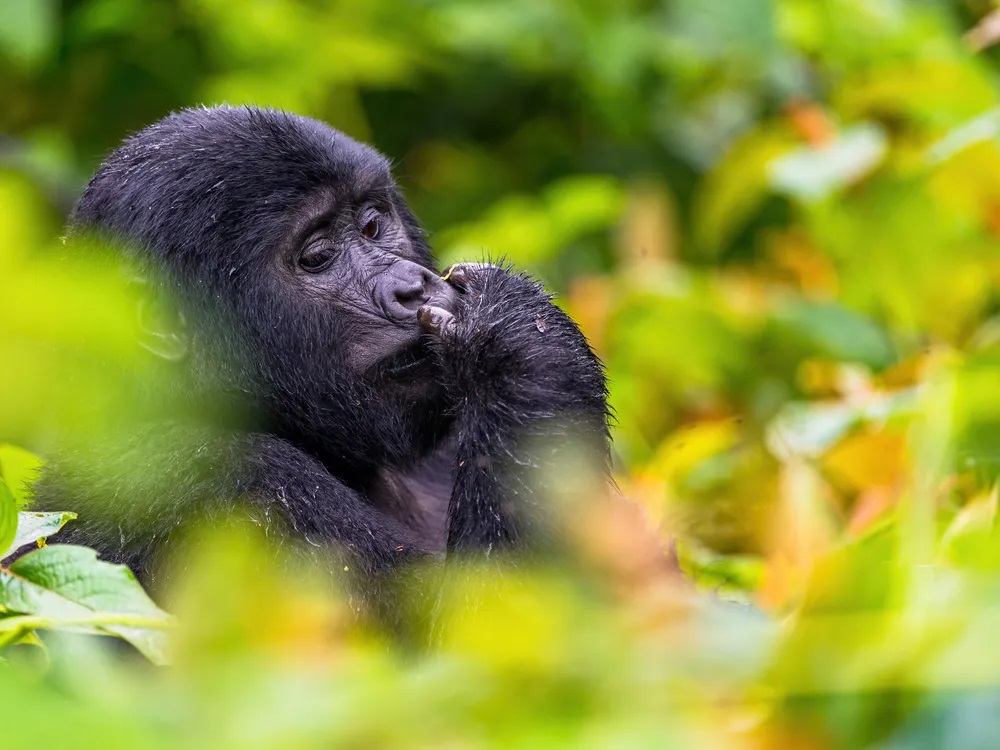
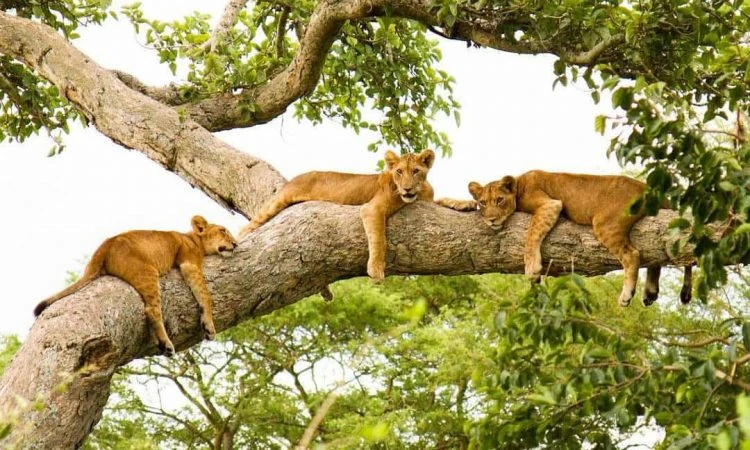
Uganda is home to 14 habituated gorilla families, each comprising 10 to 40 members. Our gorilla safaris can be combined with wildlife adventures in Queen Elizabeth National Park for tree-climbing lions, Kibale Forest for chimpanzees, and so much more.
Why Choose Ossicones Safaris
Expert Guides
Our experienced, certified guides know every trail and hidden gem across East Africa.
Custom Trips
Every itinerary is tailored to your interests, budget, and travel style.
Best Destinations
Access to Uganda's top parks, gorilla permits, and exclusive safari lodges.
24/7 Support
Round-the-clock assistance before, during, and after your safari adventure.
Popular Safari Packages
 Special Offers
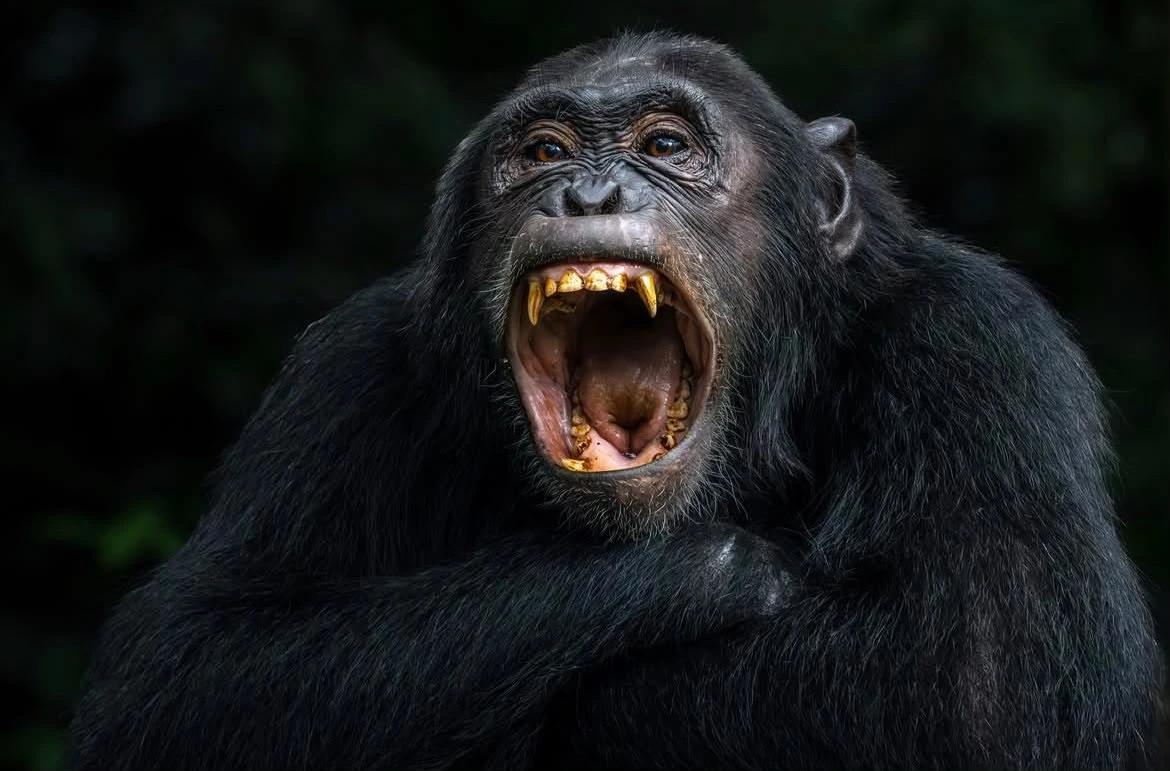
16 Day Adventure, Gorilla/Chimpanzee, Culture & Big Five/Wildlife Safari Holiday.
Safari Overview.During this multiple (16) day safari, you will experience, interact, feel and enjoy the Uganda's big 8 which includes wildlife like lines, leopards, elephants, buffaloes, cheetah, rhinos, chimpanzees, gorillas and the wonderful, joyful Uganda people in their difference cultures.You will travel to different parts of the country all to experience the above mentioned big 8 which are spread all over the country both in wildlife protected areas, cultural communities, villages, towns and cities. Safari Highlights.Day 1: Evening chill out at the beach along fresh water Lake Victoria.Day 2: Entebbe zoo, Kasubi Royal tombs.Day 3: Transfer to Murchison falls national park and Rhino tracking at Ziwa rhino sanctuary.Day 4: Morning game drive, Afternoon boat cruse and Hiking to top of falls.Day 5: Hiking to top of falls and transfer to Kibale national park.Day 6: Chimpanzee tracking.Day 7: Mpanga tea plantation visit and transfer to Queen Elizabeth national park.Day 8: Early morning tree-climbing game drive and evening bike cycling safari.Day 9: Transfer to Bwindi Impenetrable Forest national park.Day 10: Gorilla trekking and evening Batwa cultural experience.Day 11. Transfer to Igongo Cultural center for Akole culture encounter.Day 12. Transfer to Jinja (Adventure city)Day 13. Source of the River Nile, Quad biking, Back hose ride.Day 14. Transfer to Ewafe cultural village.Day 15. Kampala city and Mengo palace tour.Day 16. Transfer to Entebbe airport for your flight.
 Special Offers
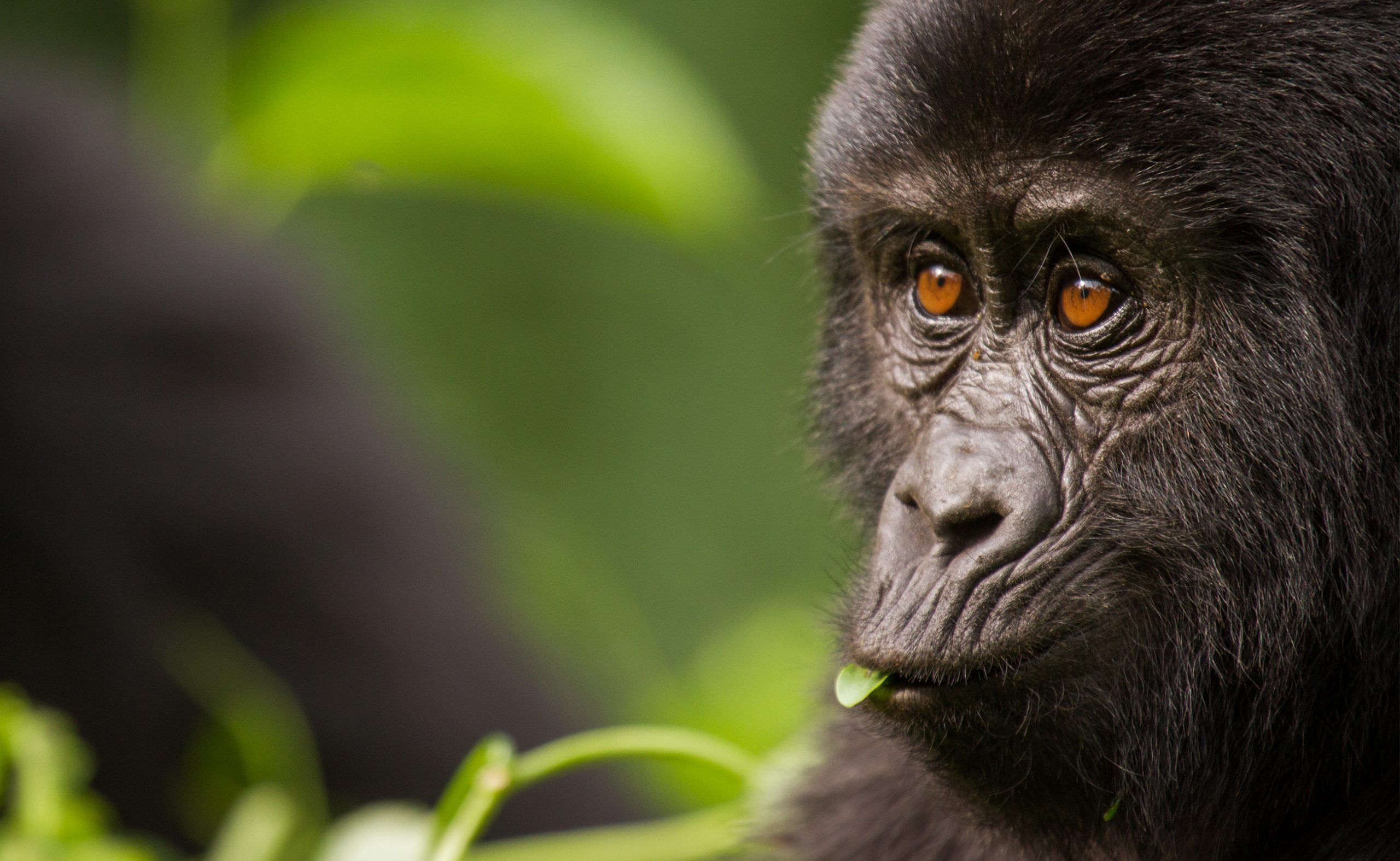
9 Day Experience Chimpanzee, Gorilla And Big Five.
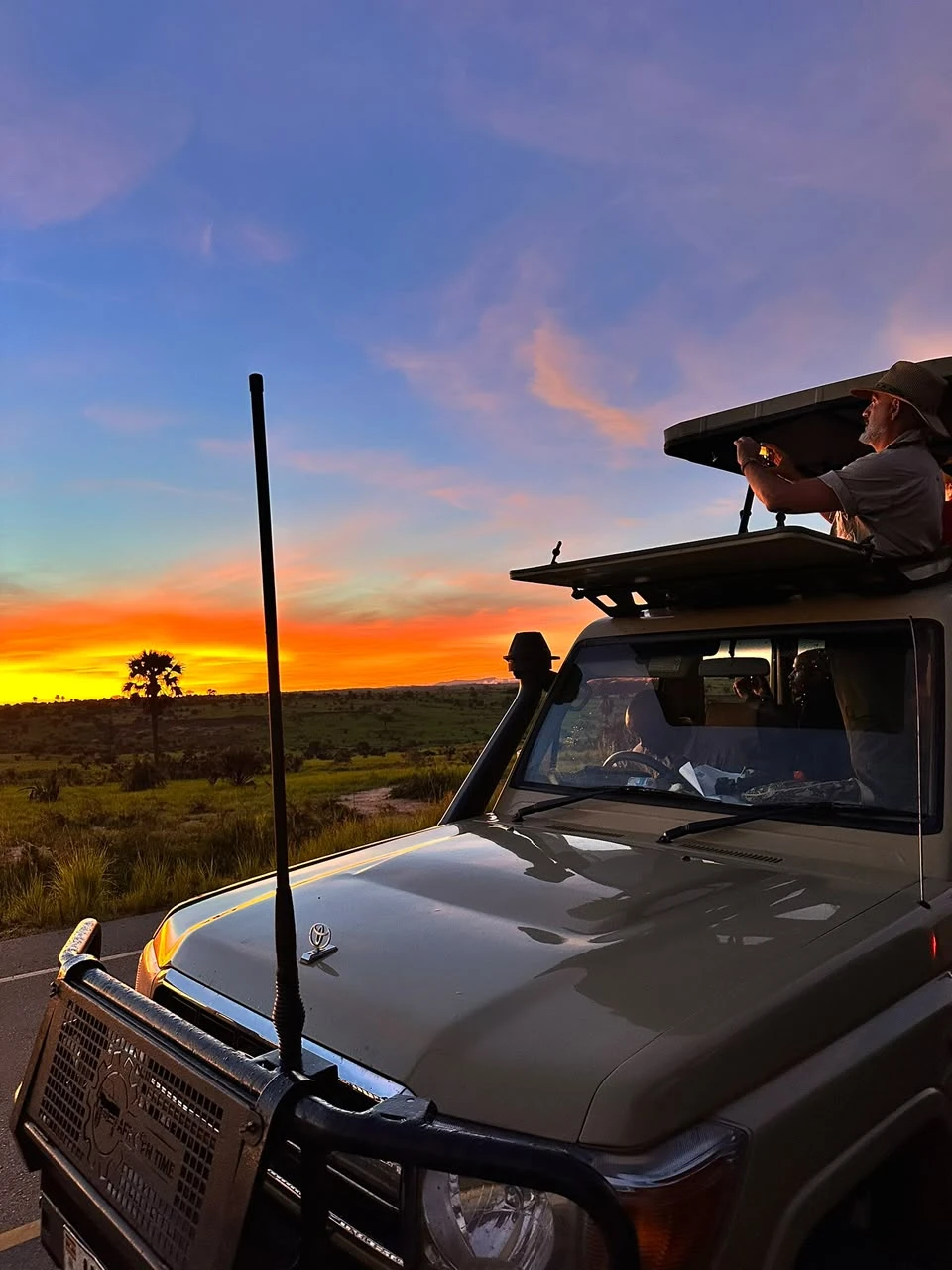
Overview.Join us on an unforgettable 9-day journey through Uganda's stunning natural beauty, diverse wildlife, and vibrant culture. Explore the country's most iconic national parks like Murchison Falls and Bwindi Impenetrable Forest, and encounter majestic animals such as rhinos at Ziwa Rhino sanctuary, lions, elephants, and mountain gorillas in their natural habitat of tropical rain forests not forgetting Kampala city tour where you will touch base Buganda kingdom palace with its rich history, Gaddafi Mosque East Africa's largest, plus the down city Nakasero market know for fresh fruits. Experience the warmth of Ugandan adventure full of hospitality through enjoy breathtaking scenery along the way. From the tranquil zebras of Lake Mburo national park to the vibrant adventure city of Jinja, this itinerary offers a comprehensive and immersive experience of Uganda's beauty and charm. Highlights:- Buganda culture/Mengo Palace visit, Gaddafi Mosque visit and Nakasero fruit market visit.- Rhino tracking at Ziwa Sanctuary- Game drive- Boat Cruise- Hiking/Visit to top of Murchison falls- Gorilla tracking in Bwindi Impenetrable National Park- Safari nature walk- Source of River Nile visit- Nile water tubbing- Quad biking
 Special Offers
14 Day Exclusive Safari Holiday In Uganda.
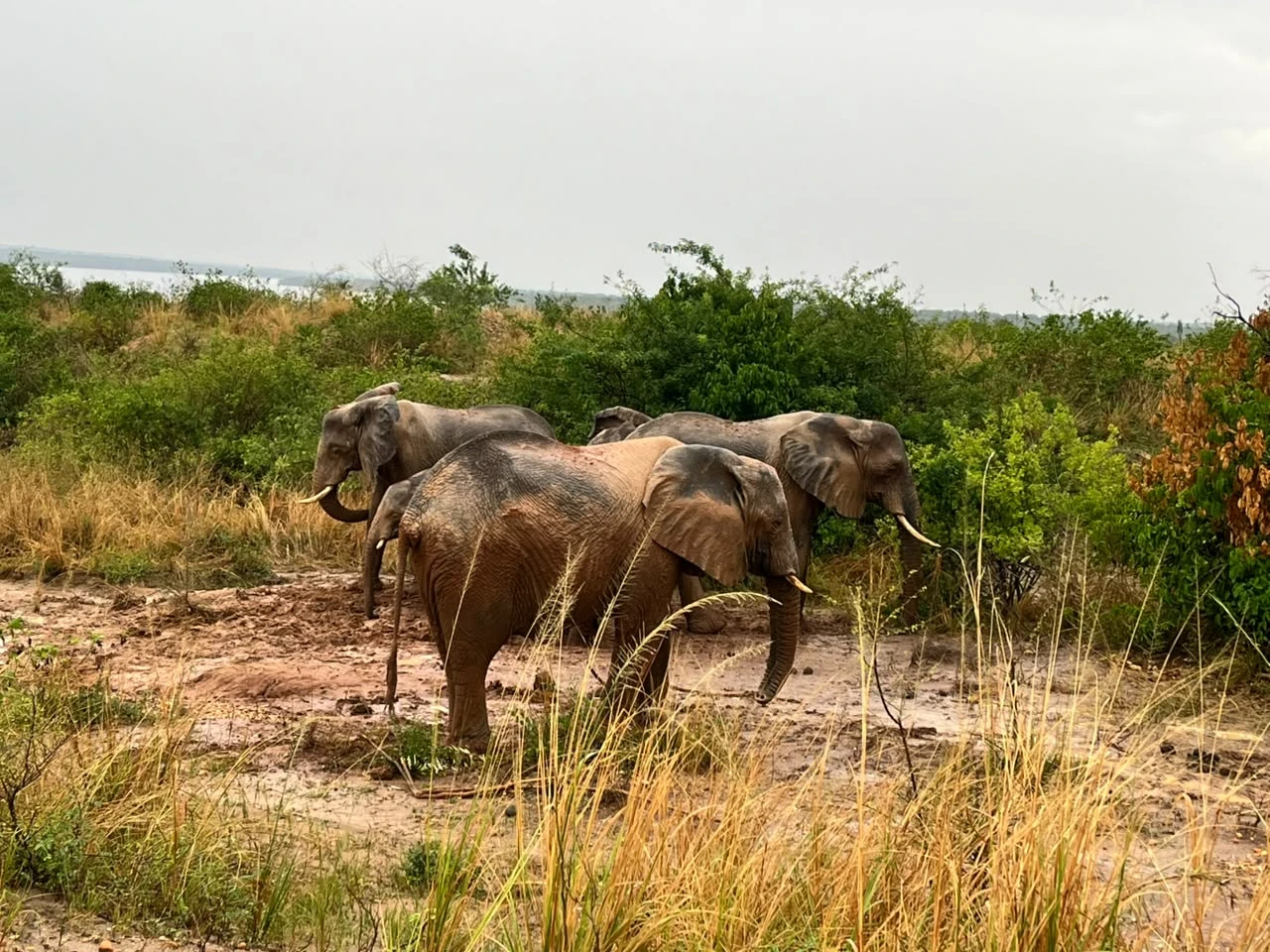
Overview.Welcome to Uganda! After a warm welcome and introduction of our professional guides ready to answer your questions and to take you through Uganda's uniqueness we offer to you.During this holiday you will explore Uganda's hidden gems of Lake Mburo national park, Bwindi Impenetrable national park for gorilla, Batwa cultural encounter, Lake Bunyonyi (Switzerland of Africa) experience, Murchison falls national park with the world's powerful waterfalls and Uganda's largest, oldest conservation park, Budongo forest with chimpanzee trekking, Kampala city tour, Buganda Mengo palace tour, Kampala night life, and source of river Nile tour. Holiday Highlight.Day 1: Arrival and pickup from Entebbe International airport.Day 2: Transfer to Lake Mburo National Park and Evening Game drive.Day 3: Morning nature walks and Afternoon boat cruise.Day 4: Transfer to Bwindi Impenetrable National Park.Day 5: Gorilla trekking and Batwa cultural encounter.Day 6: Transfer to Lake Bunyonyi.Day 7: Canoeing along 29 islands, Bike Cycling, bird watching and nature walk.Day 8: Depart to Murchison falls national park.Day 9: Morning game drive and Afternoon boat cruise.Day 10: Chimpanzee tracking and Top of falls tour.Day 11: Rhino tracking and transfer to Kampala city.Day 12: Kampala city tour.Day 13: Evening beach tour along Lake Victoria.Day 14: Transfer back to Entebbe airport for your flight.
 Special Offers
7 Day Primate, Birding & Wildlife Safari In Uganda.
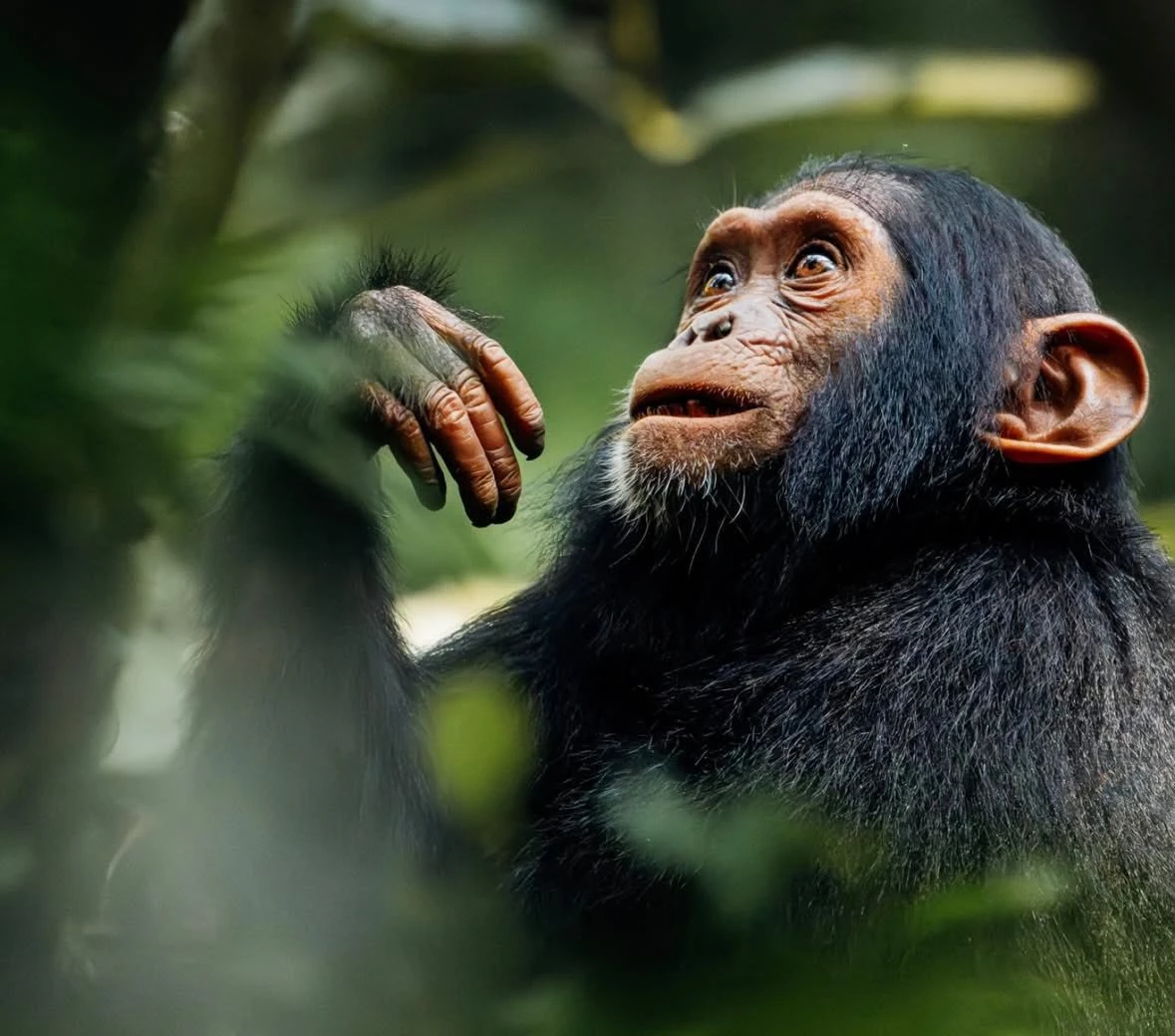
Safari Overview.Welcome to Uganda and welcome to your safari. During this trip you will explore Uganda's most biodiverse destinations of Mabamba wetland for shoebill tracking, Queen Elizabeth national park for tree climbing lions and Chimpanzee tracking in Kyambura gorge, Bwindi impenetrable national park for gorillas trekking. Then it's time to get out there and enjoy your safari. Because you chose Uganda, you have so much to look forward to. Safari HighlightDay 1: Arrival at Entebbe International airport and transfer to your hotel.Day 2: Mabamba wetland for shoebill tracking.Day 3: Transfer to Queen Elizabeth National Park, Evening game drive.Day 4: Morning game drive and afternoon boat cruise along Kazinga channel.Day 5: Chimpanzee trekking and transfer to Bwindi Impenetrable National Park.Day 6: Gorilla trekking & Evening Community/Cultural Visit.Day 7. Depart back to Entebbe international airport.
 Special Offers
6 Day Chimpanzee, Gorilla Trekking & Tree Climbing Lion Safari.
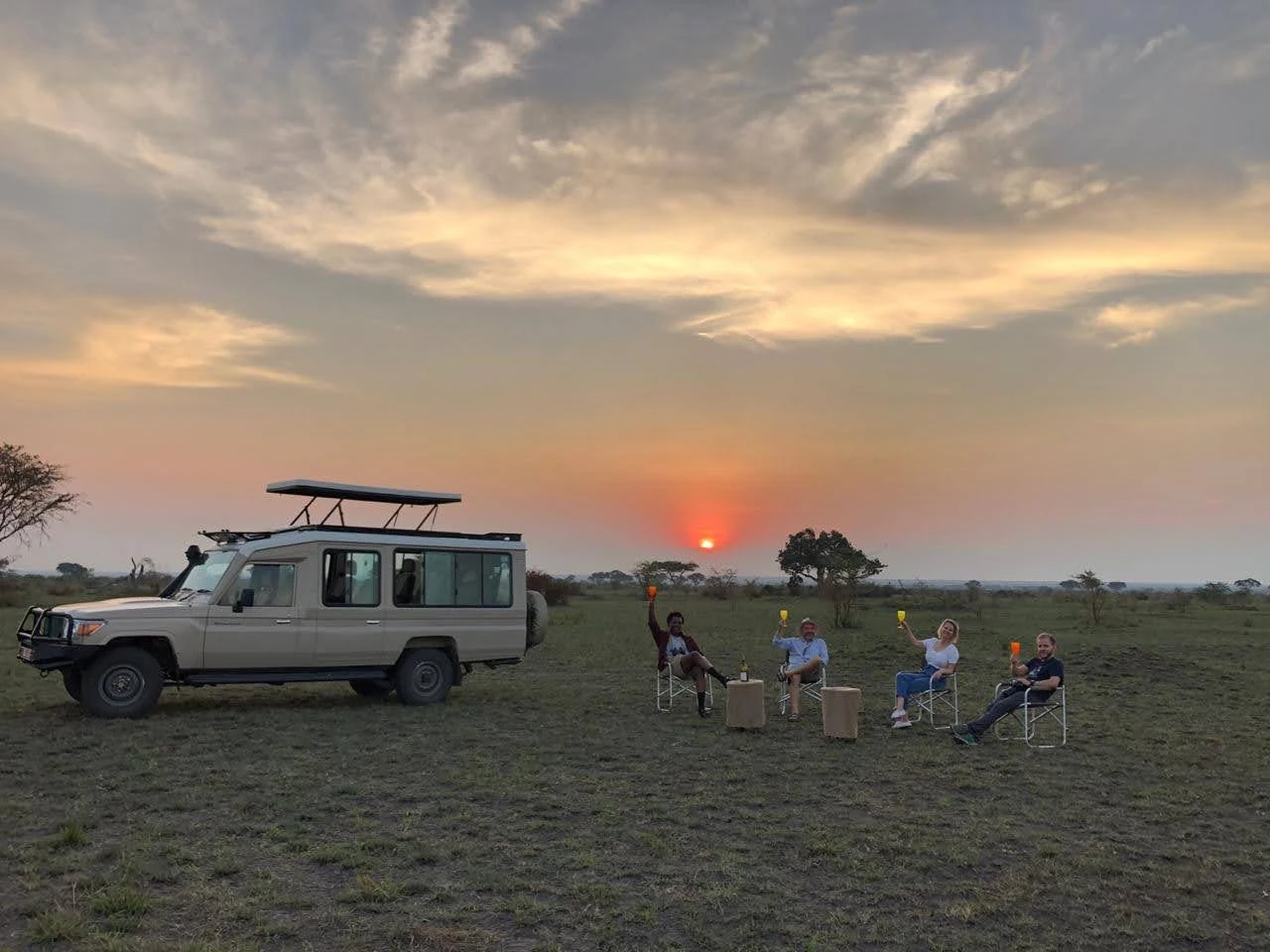
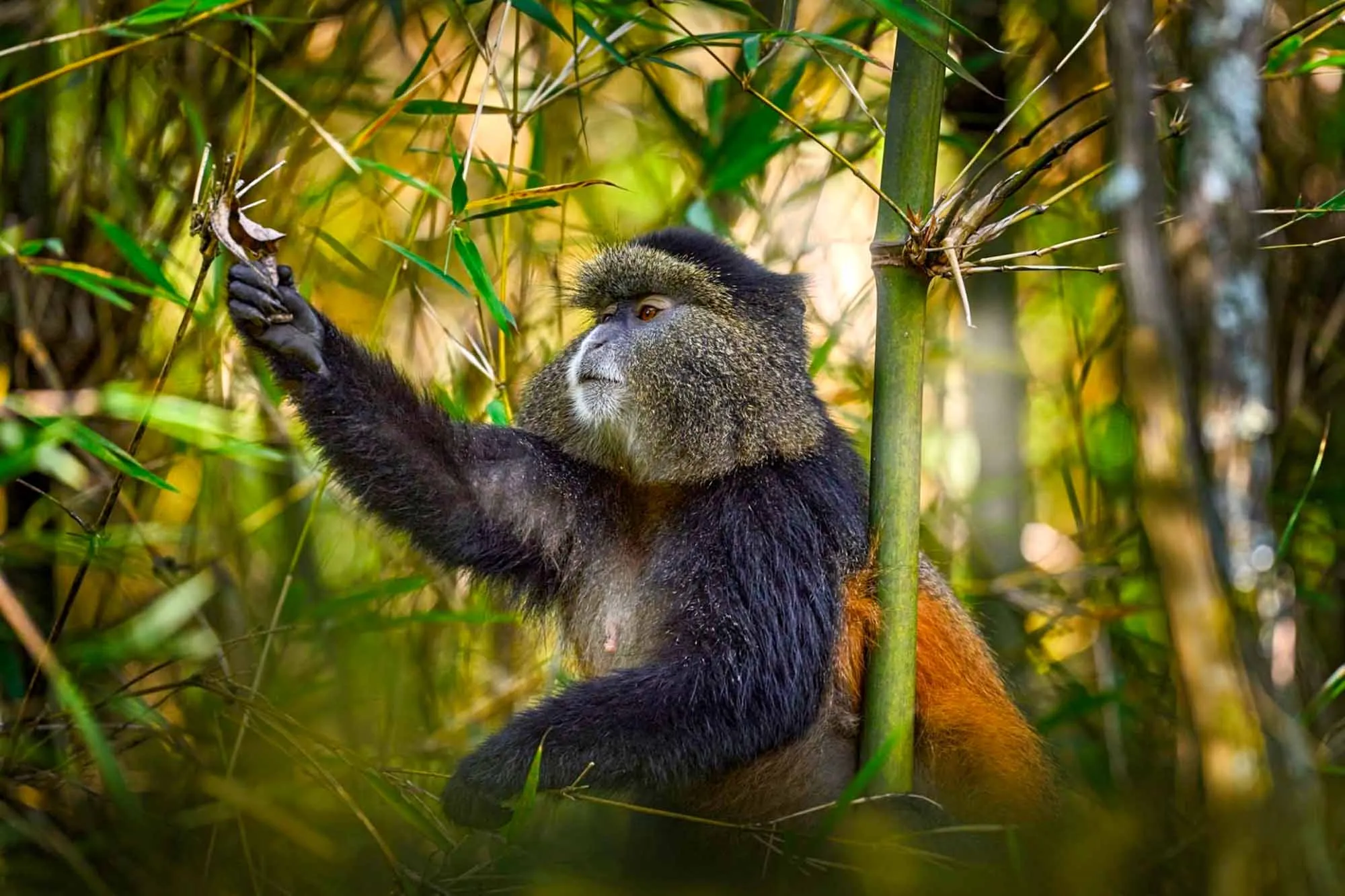
Trip OverviewThis safari holiday will introduce you to the world's primate capital Kibale forest national park with different species of apes like chimpanzees, black and white colobus monkey, baboons, vervet monkey among others plus different bird species such as the great Albertine blue turaco giving you a great chance to encounter them while on chimpanzee trekking.You will explore Bwindi Impenetrable Forest national park which inhabits the greatest number of gorilla population in the country which are always grouped into sectors with small units (families) thus making Uganda have the half of the remaining mountain gorillas in the world.Queen Elizabeth national park is another wildlife spotting place with different wildlife species like tree-climbing lion, buffalos, elephants, leopards, plus the stunning Kazinga channel where you will sail on during your boat ride and the Kyambura gorge panoramic view of Kyambura forest.On your holiday still, you will visit Mpana tea estate to witness the local tea harvesting process. Itinerary Highlights.Day 1: Pick-up and transfer to Bwindi Impenetrable National Park.Day 2: Mountain Gorilla trekking.Day 3: Transfer to Queen Elizabeth National Park, Evening boat cruise.Day 4. Early morning game drive, transfer to Kibale Forest national parkDay 5. Chimpanzee trekking and Bigodi wetland evening walk.Day 6. Mpanga tea estate tour and transfer to Entebbe Airport.
 Special Offers
7 Day Wildlife & Cultural Safari In Kidepo Valley National Park.
Trip OverviewThis 7 days trip is to offer you Kidepo Valley National Park and Fort-Patiko which was Sir. Samwel Baker slave trade fighting center. Kidepo valley national park located in northeastern Uganda, is a hidden gem for safari enthusiasts. The park's remote location and unique landscape make it an exciting destination for adventure seekers. This itinerary provides a comprehensive experience of Kidepo Valley National Park's unique landscape, diverse wildlife such as leopards, rhinos, lions, buffalos, elephants, cheetahs, among others, and rich cultural heritage from the Karamajong community. Highlight.- Two Game drive in the true African wilderness.- Karamajong cultural experience.- Rhino tracking.- Hiking Kidepo Lonyili summit.- Evening Park nature walk- Sir. Samuel Baker Slave trade fighting center/Fort-patiko tour.
Latest News & Blog
 Other Tourism
Uganda’s Independence: Celebrating the Pearl of Africa
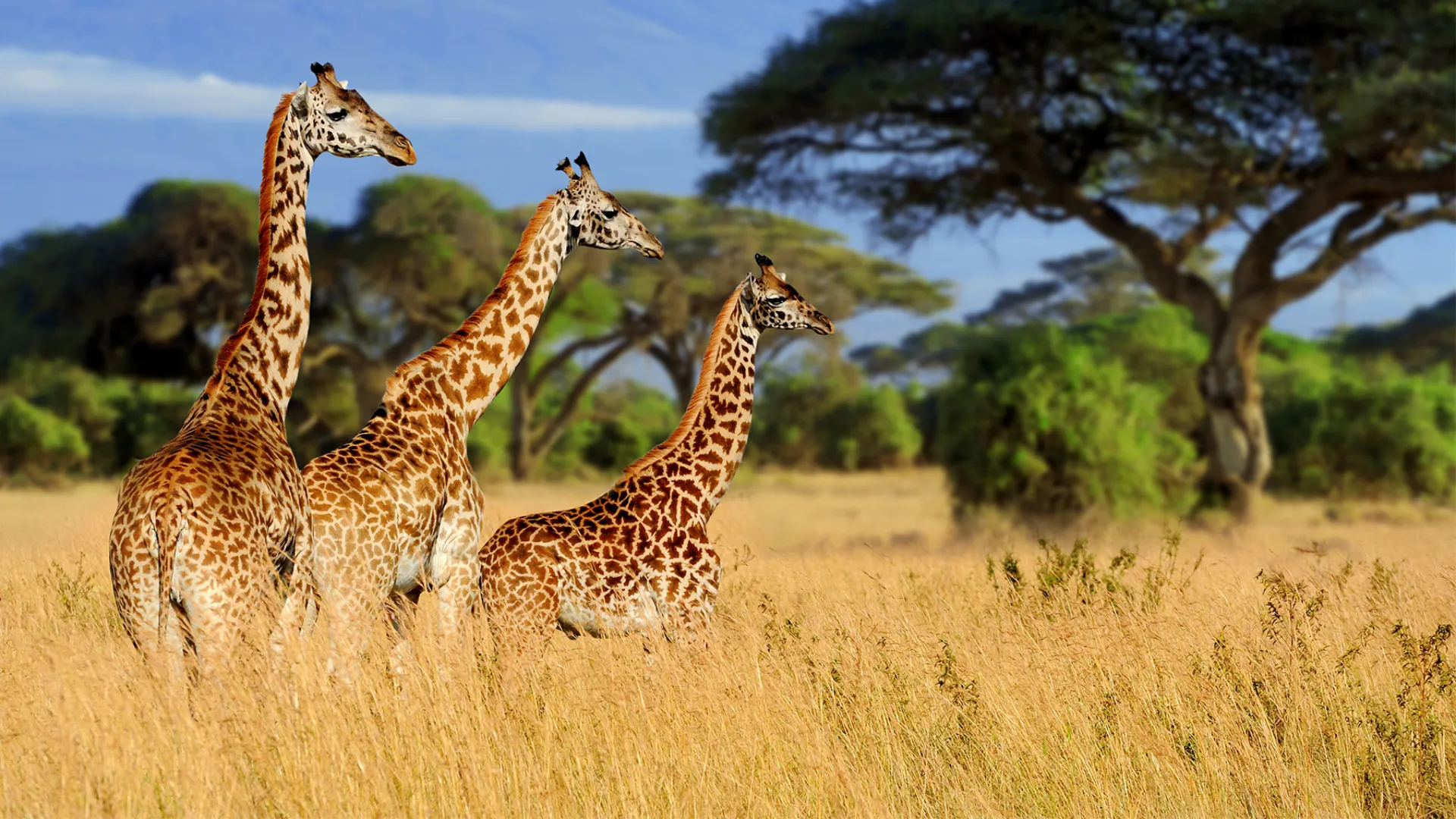
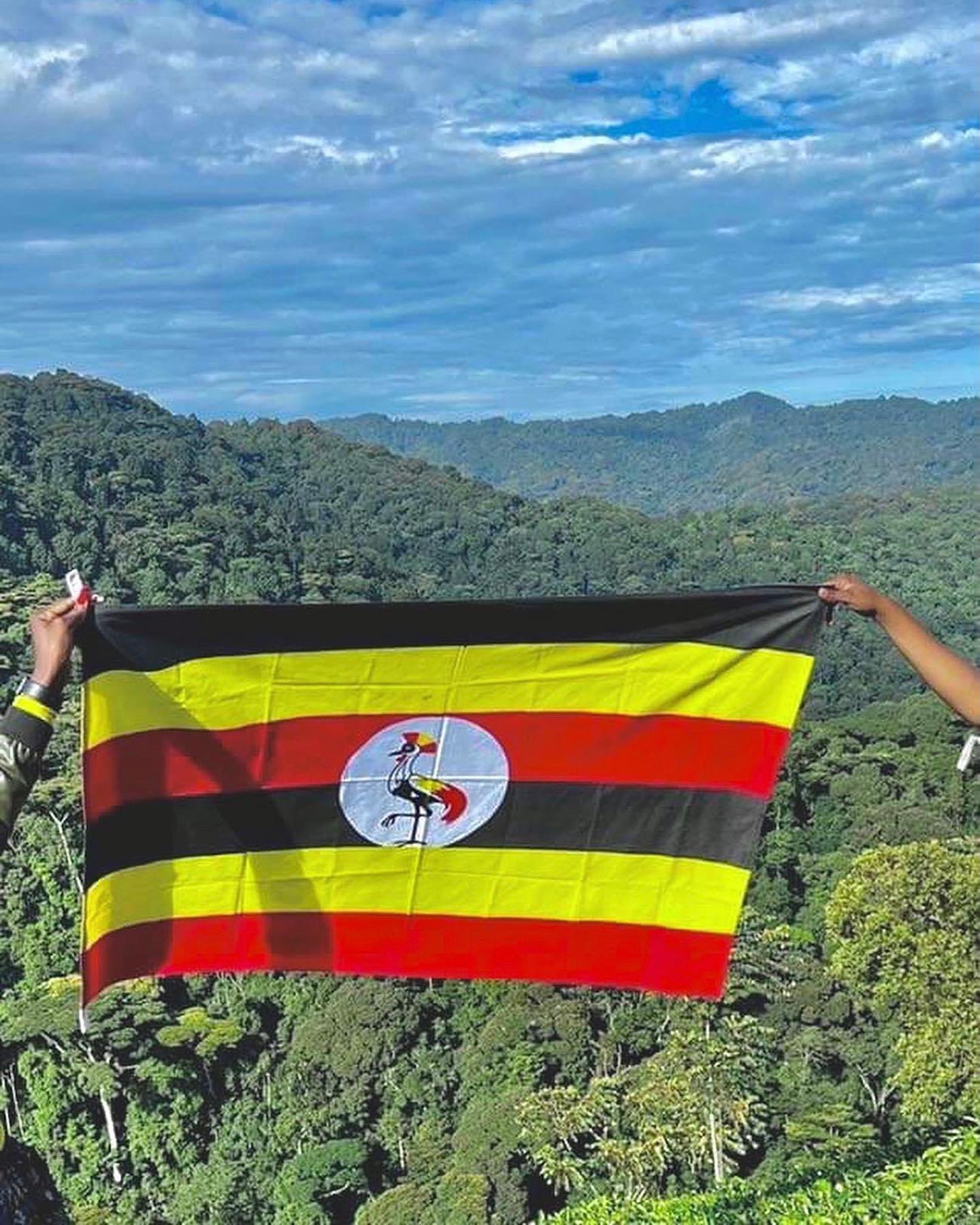
Uganda’s Independence: Celebrating the Pearl of Africa’s People, Culture and Natural WondersExplore Uganda. Discover a nation where freedom, culture, wildlife and extraordinary natural beauty come together.Every year on 9 October, Uganda celebrates a defining moment in its history: the day the country attained independence from British colonial rule in 1962. It is a day of national pride, reflection and celebration—a reminder of how far the nation has come and the remarkable heritage that continues to shape its identity.But Uganda’s Independence Day is more than a commemoration of history. It is also an opportunity to celebrate everything that makes this country special: its welcoming people, vibrant cultures, breathtaking landscapes, abundant wildlife and the natural treasures that have earned it the beloved name “The Pearl of Africa.”At Ossicones Safaris, we believe that discovering Uganda means experiencing more than beautiful destinations. It means connecting with the people, traditions, stories and natural wonders that make every journey unforgettable. Uganda: A Pearl Shaped by NatureUganda’s identity as the Pearl of Africa reflects the remarkable diversity of experiences found within its borders. From the mist-covered mountains of the southwest to the sweeping savannahs of the north, from the freshwater shores of Lake Victoria to the powerful currents of the River Nile, the country offers an extraordinary collection of natural attractions.The phrase “Pearl of Africa” is widely associated with Winston Churchill, who popularised it following his travels through Uganda in the early twentieth century. More than a century later, the description remains a fitting tribute to the country’s extraordinary natural beauty.Uganda’s landscapes tell different stories in every direction. The snow-capped Rwenzori Mountains rise above western Uganda, while Mount Elgon dominates parts of the eastern landscape. Murchison Falls showcases the mighty Nile forcing its way through a narrow rocky gorge before plunging into the river below. Lake Bunyonyi offers peaceful scenery among terraced hills, while the open plains of Queen Elizabeth National Park reveal a world of wildlife, crater lakes and spectacular sunsets.These are not merely places to visit. They are experiences that invite travellers to slow down, appreciate nature and discover the richness of a country gifted with extraordinary geographical diversity. The People: Uganda’s Greatest TreasureWhile Uganda’s landscapes capture the eye, its people often capture the heart.Uganda is home to many ethnic communities, each contributing unique languages, traditions, beliefs, music, food and ways of life. From the Baganda, Banyankole, Bakiga and Batoro to the Acholi, Langi, Iteso, Basoga, Banyoro and many other communities, the country’s cultural diversity is an essential part of its national identity.One of the most rewarding experiences for visitors is the opportunity to meet local communities and learn about their everyday lives. A conversation with a local guide, a visit to a traditional homestead, a market walk or a shared meal can reveal aspects of Uganda that no photograph alone can fully communicate.Hospitality is central to the experience. Visitors are often welcomed with warmth, curiosity and a genuine willingness to share. Through storytelling, dance, traditional music and local cuisine, travellers gain a deeper appreciation of the values and customs that have been passed from one generation to another.As Uganda celebrates its independence, these communities remind us that the country's greatest strength lies not only in its natural resources, but also in the people who preserve its heritage, welcome its visitors and contribute to its future. A Living Cultural HeritageUganda’s cultural richness can be experienced in many different ways.In central Uganda, the Buganda Kingdom offers opportunities to explore royal history, traditional architecture and the significance of cultural institutions. In western Uganda, visitors can discover the heritage of the Bunyoro, Toro and Ankole regions, including royal traditions, cattle-keeping practices and distinctive cultural expressions.Northern Uganda is known for its vibrant Acholi cultural heritage, including energetic traditional dances, music and storytelling. In the east, the Basoga, Bagisu and other communities contribute their own distinctive traditions, celebrations and culinary experiences.Food is another important part of this cultural journey. Travellers can enjoy matooke, groundnut sauce, millet dishes, traditional vegetables, locally prepared fish and many other regional specialities. Each meal offers an opportunity to discover how geography, agriculture and cultural heritage shape Ugandan life.Cultural tourism also provides an opportunity to support local artisans, performers, guides, farmers and community enterprises. When approached respectfully, it helps keep traditions alive while ensuring that tourism contributes to the livelihoods of the people who make Uganda special.Independence, therefore, is also a celebration of cultural identity—the freedom to preserve, express and share the many traditions that collectively define the nation. Uganda’s Wildlife: A Natural Heritage Worth ProtectingFor wildlife enthusiasts, Uganda is a destination of exceptional diversity. Its national parks, forests, wetlands and lakes support a remarkable range of animals and birdlife.In Bwindi Impenetrable National Park and Mgahinga Gorilla National Park, visitors can experience the extraordinary privilege of encountering endangered mountain gorillas in their natural habitat. These encounters offer a powerful reminder of the importance of conservation and the protection of fragile ecosystems.Kibale National Park is renowned for chimpanzee tracking and its rich primate diversity. Queen Elizabeth National Park combines savannah wildlife, wetlands and the famous Kazinga Channel, where boat trips offer opportunities to observe hippos, elephants, crocodiles and numerous bird species. In the Ishasha sector, travellers may have the chance to spot the region’s famous tree-climbing lions.Further north, Murchison Falls National Park combines dramatic scenery with opportunities to see elephants, giraffes, buffaloes, antelopes, lions and other wildlife. A boat cruise towards the base of the falls offers a memorable perspective of the Nile and the animals that depend on its waters.For travellers seeking quieter wilderness experiences, Lake Mburo National Park offers opportunities to encounter zebras, impalas, elands and other savannah species. Kidepo Valley National Park, in the remote northeastern corner of the country, rewards visitors with rugged mountain scenery, expansive plains and a distinctive wilderness atmosphere.Uganda is also a paradise for birdwatchers, with wetlands, forests, lakeshores and grasslands supporting an impressive variety of bird species, including the iconic grey crowned crane.These wildlife experiences are part of Uganda’s natural inheritance. Protecting them requires responsible tourism, well-managed protected areas, community participation and a commitment to ensuring that future generations can continue to enjoy the country’s biodiversity. The Rivers, Lakes and Mountains That Define the PearlUganda’s natural endowments extend far beyond its famous national parks.Lake Victoria, shared by Uganda and neighbouring East African countries, shapes livelihoods, transport, fishing and tourism. Its shores offer scenic retreats, islands and opportunities for boat excursions. The Ssese Islands, for example, provide a peaceful escape surrounded by water, forests and lakeside communities. The River Nile is another defining feature of Uganda’s landscape. Its journey from the Lake Victoria region creates opportunities for sightseeing, boat trips and adventure tourism around Jinja and other destinations. For adventure seekers, the Nile region is associated with activities such as white-water rafting, kayaking and other water-based experiences offered by local operators.Uganda’s waterfalls are equally captivating. Murchison Falls is among the country's most dramatic natural attractions, while Sipi Falls on the slopes of Mount Elgon rewards visitors with beautiful cascades, hiking trails and sweeping views of the surrounding countryside.The country’s fertile soils and favourable growing conditions also support coffee, tea, bananas, cocoa and many other agricultural products. Coffee experiences, plantation visits and farm tours provide travellers with opportunities to understand the relationship between Uganda’s natural environment, its rural communities and its economy.Together, these landscapes reveal a country where adventure, relaxation, wildlife and cultural discovery can be combined within one remarkable destination. The Story Behind Uganda’s National SymbolsIndependence gave Uganda more than political sovereignty. It also gave the nation the opportunity to establish national symbols that express its identity, aspirations and shared heritage.The national flag, coat of arms and national anthem remain important reminders of the people and ideas that helped shape modern Uganda. The Uganda National FlagUganda’s national flag was officially adopted on 9 October 1962, the day of independence. It consists of six horizontal stripes arranged in black, yellow and red, repeated twice, with a white disc in the centre containing the grey crowned crane.The colours carry important national meanings:Black represents the people of Africa.Yellow represents Africa’s sunshine.Red represents African brotherhood and the bonds that connect humanity. The grey crowned crane (Engaali), Uganda’s national bird, is a distinctive emblem of the country. Described for it's peace & gentleness, Uganda's natural herritage, National Identity, and Progress and Hope as it stands with one leg with the other raised making a step. By Edward Selfe The flag is credited to Grace Ibingira, Uganda’s Minister of Justice at the time, who played a key role in developing the final design. Historical accounts also recognise the contribution of Professor Todd, a South African artist and teacher at Makerere College, who worked on the design of the flag.Their work helped give independent Uganda a recognisable national identity that continues to be displayed with pride at public celebrations, schools, government institutions and homes across the country. The Uganda Coat of ArmsUganda’s coat of arms brings together several images that reflect the country’s natural wealth, culture and national aspirations.At its centre is a shield with waves representing the country’s lakes, the sun symbolising Uganda’s sunshine and the traditional drum representing cultural life, ceremonies and community gatherings. Two spears behind the shield represent the willingness of Ugandans to defend their country.The shield is supported by two important national symbols: the grey crowned crane and the Uganda kob, the latter representing the country’s abundant wildlife. Beneath them is a green mound representing fertile land, together with the River Nile and illustrations of coffee and cotton.The national motto appears at the bottom:“For God and My Country.”The coat of arms is credited to Professor Todd, who worked at the School of Fine Art at Makerere College. Its imagery remains a powerful reminder that Uganda’s identity is closely connected to its people, fertile soils, cultural traditions, wildlife and waterways. The Uganda National AnthemFew moments capture national pride as powerfully as hearing Ugandans sing their national anthem together.The anthem, Oh Uganda! May God Uphold Thee, expresses hope, unity, freedom and a shared commitment to the nation. Its words also celebrate Uganda’s natural abundance, making it especially meaningful during Independence Day celebrations.The music was composed by George Wilberforce Kakoma, while the lyrics were developed through a collaborative process involving Kakoma and Peter Wingard, a lecturer at Makerere College. The national symbols committee was chaired by Professor Ssenteza Kajubi, who played an important role in the selection process.The committee also included figures such as Reverend Polycarp Kakooza, Mbabi Katana, William Nadiope and John Moon.One of the anthem’s most enduring expressions describes Uganda as:“The Pearl of Africa’s Crown.”These words connect the country’s national identity directly to the natural beauty and fertile land that continue to attract travellers from around the world.The stories behind these symbols remind us that nation-building is a collective effort. Artists, musicians, educators, public servants and cultural leaders all contributed to the symbols that Ugandans proudly recognise today.Independence and the Future of Ugandan TourismAs Uganda celebrates its independence, tourism offers an important opportunity to translate the country’s natural and cultural wealth into sustainable benefits for its people.Tourism creates opportunities for local guides, drivers, accommodation providers, craftspeople, farmers, conservation workers and community enterprises. It also encourages the preservation of cultural heritage and supports the protection of wildlife habitats that might otherwise face increasing pressure.However, the future of tourism depends on responsible choices. Visitors can contribute by respecting local customs, supporting legitimate local businesses, reducing waste, following wildlife-viewing guidelines and choosing experiences that benefit surrounding communities.For tour operators, the responsibility extends beyond organising memorable holidays. It includes promoting Uganda honestly, respecting its people and environment, and helping travellers understand why its natural and cultural treasures deserve protection.At Ossicones Safaris, we see every journey as an opportunity to connect visitors with the real Uganda: its extraordinary landscapes, rich cultural heritage, remarkable wildlife and the welcoming communities that bring the country to life.Celebrate Uganda’s Independence by Discovering the Pearl of AfricaIndependence Day invites every Ugandan to reflect on the nation’s journey and every visitor to appreciate what makes this country extraordinary.Imagine beginning your morning with the sounds of birds across a quiet wetland, spending the afternoon watching elephants in a national park, and ending the day sharing stories and traditional food with a local community. Imagine trekking through misty forests in search of mountain gorillas, following the Nile through dramatic landscapes, or exploring the cultural heritage of Uganda’s historic kingdoms.These are the experiences that make Uganda more than a destination. They make it a place to discover, appreciate and remember.As we commemorate the independence achieved on 9 October 1962, we celebrate the freedom, diversity, resilience and natural abundance that define our country.Uganda is blessed with extraordinary people, living traditions, fertile landscapes and wildlife that inspire visitors from every corner of the world. These treasures are a source of national pride and a responsibility we all share. Happy Independence Day, Uganda!May the Pearl of Africa continue to shine through its people, culture, wildlife and breathtaking natural beauty.Discover Uganda with Ossicones SafarisReady to experience the Pearl of Africa for yourself?Whether you dream of gorilla trekking, wildlife safaris, cultural encounters, scenic landscapes or adventures along the River Nile, Ossicones Safaris is ready to help you discover Uganda through meaningful and memorable travel experiences. Explore Uganda. Experience its heritage. Discover its natural wonders.Ossicones Safaris — Unveiled Experience.
 Tours & Travel
Currency exchange in Uganda
Much as foreign currencies like US dollar, Euro among other currencies are accepted by few businesses in Uganda, it’s more comfortable to exchange your currency(money) into Ugandan shillings for easy business transactions especially when buying local goods from the local people.In Uganda forex exchange can be made at different forex bureaus which are well spread in Kampala capital city plus other towns like Entebbe, Gulu, Jinja, Mbarara among others towns/cities.Banks around Uganda also offer forex bureau services. However, each bank has different exchange rates.It’s more advisable to do forex bureau transactions with mainly registered forex bureau business who always have business registration certificate and operational licenses displayed in their offices of business with a well-organized workplace/area of operation.At Ossicones Safaris we do support/help our guest who are always in need of forex bureau services for easy and secure forex exchange transactions.
 Tours & Travel
Best time to visit Uganda
Choosing the best time for your Uganda tour enhances your experience. The prime months for visiting are June to September and December to February. These periods correspond with the dry seasons, making wildlife viewing more rewarding.During these times, animals gather around water sources, creating excellent opportunities for spotting diverse wildlife. Additionally, travel conditions are more favorable, with less rain affecting roads and parks. While these months are popular, they offer the best chance for memorable sightings and activities. Planning your visit during these months ensures you experience Uganda’s natural beauty and wildlife at its best, offering a more fulfilling and enjoyable adventure.Seasonal Climate OverviewUganda's climate varies significantly due to its diverse landscapes and altitudes. While the country enjoys a generally tropical climate, regional differences are prominent. Understanding these variations can help you plan your activities better.In the southern regions, you will find rainfall more frequent during March to May and September to November. These areas, such as Bwindi Impenetrable National Park, are wetter and cooler due to higher altitudes. The wet season often creates lush, green landscapes, ideal for photography despite the rain.On the other hand, northern Uganda, which includes destinations like Kidepo Valley National Park, experiences a more distinct dry season. From November to March, this region becomes noticeably hotter and dryer, influencing wildlife behavior and accessibility. The arid conditions often drive animals closer to sparse water sources. The Rwenzori Mountains, known for their challenging hikes, present a unique climate on their own. With persistent cool and wet conditions, they offer a real challenge for trekkers. It's essential to prepare for fluctuating temperatures, particularly at higher elevations.Here’s a quick overview of Uganda's climate regions:Southwest (Bwindi/Kibale): Mild and wetter, cool temperatures.North (Kidepo): Hot and dry, less rain.Mountains (Rwenzori): Cold, often rainy, especially at altitudes.Understanding Uganda’s climate helps enhance your travel plans, ensuring you pack appropriate gear and prioritize activities that suit the weather. This preparation not only improves your experience but also contributes to a more sustainable trip by minimizing unforeseen obstacles. Plan your Uganda safari tour here with Ossicones Safaris.
 Tours & Travel
Reasons why you should plan your Uganda safari holiday
Planning your Uganda safari holiday carefully is essential for a seamless and enriching experience. The country's diverse landscapes and experiences require thoughtful preparation to make the most of your visit. Considerations about weather, mountain gorilla, chimpanzee permits, and transportation should be part of your planning process.One crucial aspect of planning is obtaining permits for activities like gorilla trekking. These permits often sell out due to high demand and limited availability. Securing them well in advance ensures you won't miss out on these once-in-a-lifetime experiences.Creating an itinerary that matches your interests and travel style is another key factor. Whether you're drawn to wildlife safaris, cultural experiences, or hiking adventures, tailoring your itinerary can enhance your trip. Balancing must-see attractions with leisurely downtime can make your trip more enjoyable.Moreover, logistical details can significantly affect your travel experience. Factors such as transportation options and accommodation availability vary across regions. Consider arranging for a guided tour or safari package for ease and expert insights. Additionally, factor in the currency exchange for the Ugandan Shilling and understand local customs to respect cultural norms.The importance of planning also extends to packing for diverse climates and activities. Uganda's varied topography means you'll encounter different weather conditions. Preparing for wet rainforest hikes and sunny savanna game drives requires versatile clothing. A successful Uganda trip involves prioritizing elements that ensure comfort and enjoyment:Securing necessary permits early.Designing a well-rounded itinerary.Arranging for reliable transportation.Packing appropriately for different environments.Taking these steps increases your chances of a smooth and memorable adventure. Through thoughtful planning, you can fully embrace the magic of Uganda’s wildlife, landscapes, and cultural richness. The preparation you do today sets the stage for tomorrow's unforgettable experiences. Start planning your safari holiday.
 Tours & Travel
What to Expect on your Uganda Safari Holiday.
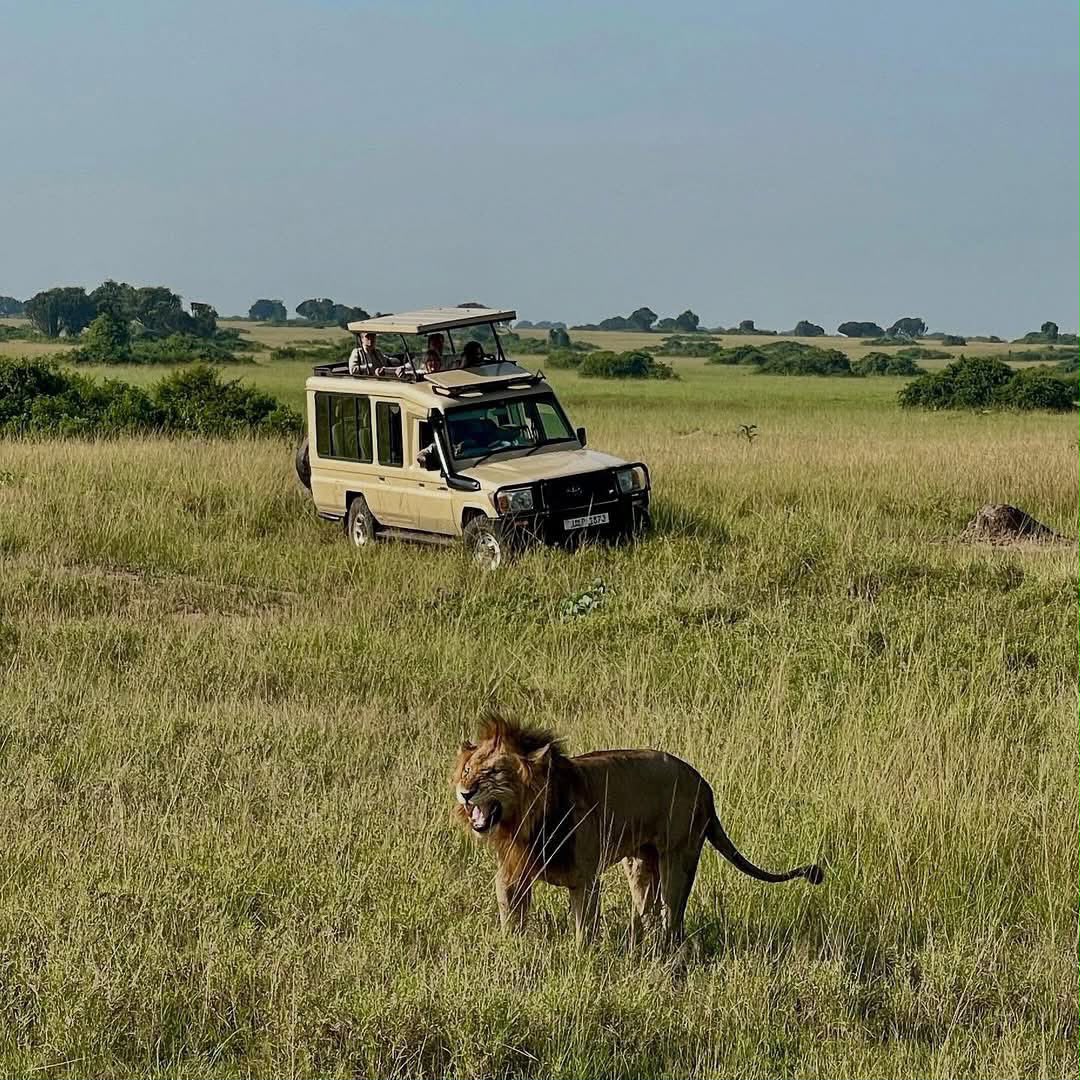
Uganda is a wonderland for safari lovers, offering some of the finest wildlife trips in Africa. Among the top experiences, mountain gorilla trekking in Bwindi Impenetrable Forest is unparalleled.Another standout is Murchison Falls National Park, famous for its powerful waterfall and stunning big five diversity. Here, game drives reveal elephants, giraffes, and more, complemented by boat safaris along the Nile.Kidepo Valley National Park offers remote and untouched beauty for those seeking solitude. This park is home to rare species like cheetahs and incredible landscapes.Each safari presents something unique, ensuring Uganda ranks high on any wildlife enthusiast's bucket list. The combination of adventure, beauty, and biodiversity makes these trips unforgettable.Gorilla Trekking ExperiencesEmbarking on a gorilla trekking adventure in Uganda is a once-in-a-lifetime experience. Over half of the world's mountain gorillas reside in Uganda, making it a prime destination for this extraordinary wildlife encounter.Bwindi Impenetrable National Park is the go-to place for gorilla trekking. This UNESCO World Heritage site, with its dense forest, offers a breathtaking backdrop as you track these magnificent creatures.Before setting off, trekkers attend a briefing. Here, experienced guides provide insights into gorilla behavior and necessary safety measures, ensuring a respectful and safe interaction.Venturing into the forest, you are immersed in a symphony of nature's sounds. The anticipation builds as you follow paths through the lush greenery, searching for gorillas in their natural environment.The moment you first spot a gorilla family is indescribable. Observing them in their habitat, with juveniles playing and mothers tending to young, is deeply moving.Tips for Gorilla Trekking:Secure permits early: Demand is high and availability is limited.Wear comfortable clothing: Long sleeves and waterproof gear are recommended.Porter: They help carry supplies and navigate challenging terrain.Photographing gorillas offers lasting memories, but it's essential to maintain a respectful distance. This minimizes stress on the animals and ensures ethical tourism practices are followed.The best months for gorilla trekking are during the dry seasons. These occur from June to September and December to February, when conditions in the forest are more favorable.Every trek supports conservation efforts, as fees contribute to the protection of these endangered primates. By choosing Uganda for gorilla trekking, you help secure a future for these remarkable creatures, making your adventure not only memorable but also meaningful. Chimpanzee Tracking AdventuresChimpanzee tracking in Uganda offers a thrilling and educational wildlife experience. Kibale National Park is renowned for its dense chimpanzee population, providing perfect conditions for observing these fascinating primates. Visitors can expect an educational briefing before tracking. Knowledgeable guides share insights into chimpanzee behavior and forest ecosystems, enhancing the overall adventure.As you wander through the rich undergrowth, the forest comes to life. The air is filled with echoes of chimpanzee hoots and calls, guiding you to their territory. Stumbling upon a troop of chimpanzees is exhilarating. Watching these lively apes interact within their social groups offers a profound understanding of their complex community dynamics.Every moment spent with chimpanzees is a learning opportunity. Their playful antics and intricate communication systems underscore their intelligence and similarity to humans.Tips for Chimpanzee Tracking:Book permits in advance: Limited slots ensure conservation.Start early: Morning treks increase chances of sightings.Bring sturdy footwear: Terrain can be uneven and muddy.The optimal time for chimpanzee tracking spans the dry seasons, specifically from December to February and June to September. Trails are more navigable and sightings more frequent during these months.Touring with a small group reduces environmental impacts while maximizing wildlife encounters. The thrill of witnessing chimpanzees in their natural habitat offers unmatched excitement and insight.Beyond Kibale, other forests like Budongo and Kyambura also offer rewarding chimpanzee tracking experiences. Each destination provides unique settings and challenges, ensuring a comprehensive view of Uganda's primate biodiversity.Not only does tracking contribute to personal fulfillment, but it also plays a crucial role in conservation. Revenue from permits supports habitat preservation, ensuring the survival of chimpanzees for future generations.Joining a chimpanzee tracking adventure in Uganda enriches both the mind and spirit. It is a journey into one of nature’s most captivating chapters, leaving an indelible impression long after the trek concludes. Unique Wildlife ExperiencesUganda offers extraordinary wildlife experiences that captivate adventurous travelers. One such experience is witnessing the majestic tree-climbing lions of Queen Elizabeth National Park. These rare felines lounge in the branches, a sight that adds an enchanting twist to any safari.Additionally, Kidepo Valley National Park presents an opportunity to observe wildlife in a truly remote setting. This area’s untouched beauty and minimal human interference make sightings of elephants, buffaloes, and birds particularly special. Such unique encounters reveal the rich biodiversity of Uganda, offering more than just ordinary animal sightings. They create lasting memories that capture the essence and wonder of an African safari adventure.Bird Watching ExpeditionsUganda is a paradise for bird enthusiasts, boasting a staggering diversity of avian species. With over 1,000 bird species, Uganda's landscapes cater to both seasoned bird watchers and beginners alike. The country's varied habitats, including lush rainforests and open savannas, provide ideal conditions for observing a wide range of birds.One of the prime locations for bird watching is the Bwindi Impenetrable National Park. This UNESCO World Heritage site is home to over 350 bird species. Some of these species are endemic to the region, making Bwindi is a must-visit for those passionate about ornithology. Among the park's feathered residents, the African Green Broadbill and the Shelley's Crimsonwing stand out for their vibrant colors and rarity.Lake Mburo National Park offers another excellent bird-watching experience. Known for its diverse avian population, the park is home to the rare African Finfoot and the elusive ShoebillStork. Here, the mix of acacia woodland and papyrus swamps creates a rich ecosystem, attracting species like the Papyrus Gonolek and the Green-breasted Pitta.The Kazinga Channel in Queen Elizabeth National Park also provides fantastic birding opportunities. This natural channel hosts a multitude of bird species, which are easily observed during guided boat cruises. Notable birds include the African Fish Eagle, Pied Kingfisher, and various species of herons and egrets, making it a perfect spot for capturing stunning photographs.For travelers interested in diverse environments, the Rwenzori Mountains National Park is a top choice. Its montane forests and grasslands are teeming with birdlife, including the elusive Rwenzori Turaco and the handsome Handsome Francolin. The park's dramatic altitudes and awe-inspiring scenery offer a unique backdrop for bird watching excursions.In summary, Uganda's diverse ecosystems and abundant bird life offer endless opportunities for bird watching. Key highlights include:Bwindi Impenetrable National Park: Endemic species and colorful birds.Lake Mburo National Park: Rare sightings like the Shoebill Stork.Kazinga Channel: Bird-rich environments during boat cruises.Rwenzori Mountains: Unique high-altitude avian species.Boat Safaris on the Nile RiverExploring the Nile River by boat offers a thrilling way to experience Uganda's wildlife. The river, known as the longest in the world, cuts through some of the country's most picturesque landscapes. A boat safari along this iconic waterway provides unique vistas and close encounters with wildlife.Murchison Falls National Park is a prime location for a Nile River boat safari. Here, the Nile flows through a narrow gorge, creating the powerful Murchison Falls. Visitors can witness the spectacular sight of water crashing down with incredible force. The falls are a breathtaking backdrop to the abundance of wildlife along the riverbanks.The Kazinga Channel, linking Lake George and Lake Edward, is another popular choice for boat safaris. This channel hosts one of the highest concentrations of hippos in Africa. Elephants, buffaloes, and crocodiles are frequently spotted along the banks, offering perfect photography opportunities.While drifting along the Nile, you can enjoy sightings of diverse bird species. The riverbanks teem with life, with birds like the Pied Kingfisher and African Fish Eagle showcasing their fishing skills. The kingfisher sounds of fish eagle create an atmosphere unlike any other.Boat safaris provide a leisurely pace, allowing ample time to absorb the surroundings. The guides on board share their knowledge of the river's ecosystems and the wildlife inhabiting its banks. Their insights enhance the experience, making each journey informative and enriching.Highlights of a boat safari on the Nile River include:Witnessing Murchison Falls' majestic power.Spotting hippos, crocodiles, and elephants.Bird watching, featuring species like the African Fish Eagle.Learning from knowledgeable guides about the river's ecology.Capturing stunning photos of Uganda's natural beauty.Embarking on a boat safari on the Nile River offers not just a visual treat but an unforgettable wildlife adventure. Whether you're a seasoned traveler or a first-time visitor, the experience is a treasured memory of your Uganda trip.Cultural InsightsUganda's rich tapestry of cultures offers a rewarding dimension to any wildlife trip. The country is home to over 50 ethnic groups, each with distinctive traditions, languages, and customs. These cultural encounters add depth to your journey, offering insights into the everyday lives of Ugandans.Visiting local communities can illuminate traditional practices and craftsmanship. From the rhythmic beats of drumming to vibrant dance performances, culture here is deeply woven into daily life. Engaging with local artisans and participating in community activities provide personal exchanges that enhance the overall travel experience. Uganda's cultural warmth leaves a lasting impression on every visitor.Meeting Local CommunitiesOne of the most enriching aspects of Uganda trips is the opportunity to interact with local communities. These interactions offer travelers a glimpse into the everyday life, traditions, and resilience of Ugandan people. Experiences with communities are genuine and heartwarming, creating memories that last well beyond the trip itself.Many tours incorporate village visits, where you can engage with local artisans and participate in their crafts. You might try your hand at pottery or learn to weave traditional baskets. Such activities not only support local economies but also foster cultural exchange, enhancing understanding and respect.Learning about Uganda’s diverse ethnic tapestry, you might attend a traditional dance or musical performance. These vibrant displays convey history through rhythm and movement, making cultural history come alive. Each performance is an embodiment of heritage passed down through generations, fostering national pride and identity.Some key highlights of visiting local communities include:Engaging with skilled artisans at craft workshopsParticipating in traditional music and dance eventsLearning about agricultural practices on community farmsEnjoying local culinary experiences and cooking demonstrationsUnderstanding local wildlife conservation efforts from community leadersThese encounters provide personal connections that elevate your trip beyond a typical safari. Whether you are welcomed into a family’s home or join a local celebration, the hospitality of Ugandans makes every interaction meaningful. With every conversation, you add another layer to the rich cultural narrative that defines Uganda. By meeting local communities, travelers contribute to preservation efforts, and in return, gain a profoundly enriching perspective on life in Uganda.Traditional Ugandan CuisineExploring traditional Ugandan cuisine is a journey into the heart of the country’s culture. Ugandan meals are a celebration of vibrant flavors and fresh, local ingredients. They often feature staple foods like bananas, plantains, and various grains, providing both nourishment and comfort.A typical Ugandan meal might include matoke, which is steamed and mashed bananas often served with a peanut sauce. This dish is a local favorite for its simple yet hearty taste. Another staple is posho, a maize flour porridge that complements a variety of stews and sauces.Street food is an integral part of Ugandan culinary culture. The iconic Rolex, a rolled chapati filled with omelet and vegetables, is both delicious and portable. It’s a must-try for any visitor, offering a taste of Uganda’s inventive approach to simple ingredients.Exploring Ugandan cuisine gives insight into the country's diverse agricultural practices and community life. Many dishes are deeply influenced by the traditions of over 50 ethnic groups, each contributing unique flavors and techniques. Sharing a traditional meal with locals opens conversations about life, customs, and community spirit.Key dishes to try when sampling Ugandan cuisine include:Matoke served with peanut or spicy bean stewRolex, the popular street food snackPosho paired with goat or chicken stewLuwombo, a delicious stew cooked in banana leavesUgali, a firm maize-based staple enjoyed with meat or vegetable saucesSampling Uganda's traditional foods not only supports local farmers and food artisans but also enriches your travel experience. Each dish tells a story of connection and cultural heritage, making a meal an unforgettable part of your journey. Embracing local cuisine allows you to savor the essence of Uganda, bite by bite.ConclusionUganda's unique blend of breathtaking landscapes and rich biodiversity makes it a paradise for wildlife enthusiasts. Its diverse ecosystems, from lush forests to savanna plains, offer unparalleled opportunities to observe rare wildlife. The country provides thrilling adventures like gorilla trekking and chimpanzee tracking, big five safari that create lasting memories.A journey through Uganda is more than just a safari; it's an immersion into the vibrant cultures and traditions of its people. As you reflect on your experiences, the warm hospitality and natural beauty of Uganda stay with you. Whether exploring national parks or savoring local cuisine, every moment is filled with wonder and discovery. Get a free safari quote.
 Tours & Travel
Unforgettable Safari & Gorilla Adventures
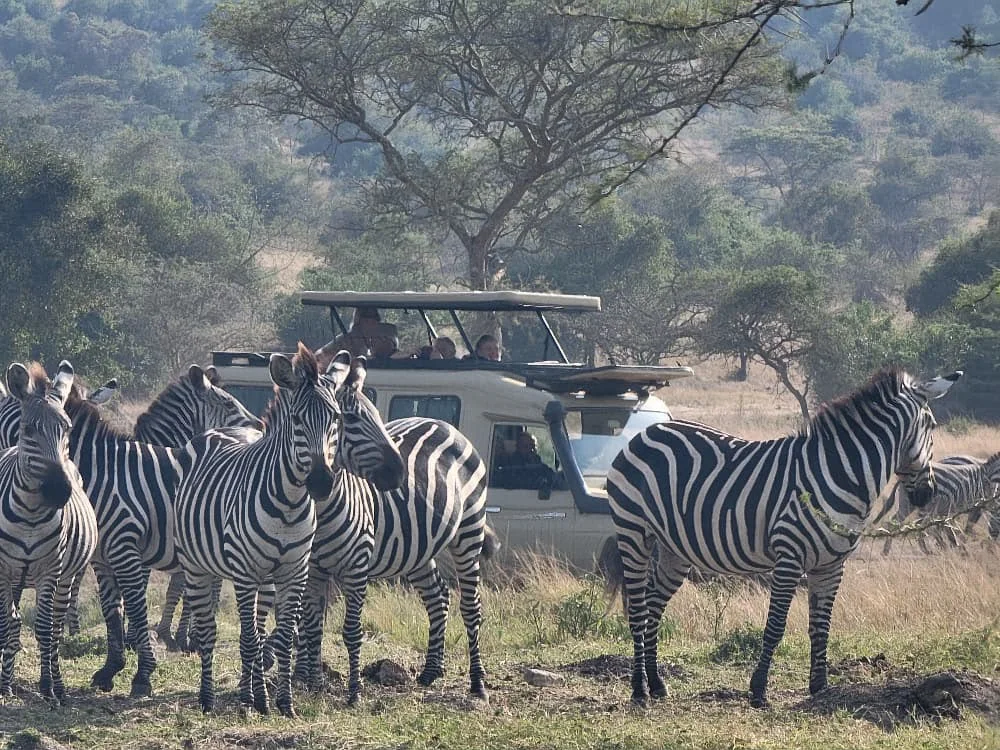
Feel Uganda trips with our guide on must-experience wildlife adventures. Learn about gorilla trekking and more for your next safari! 7 Must-Experience Uganda Trips for Wildlife Enthusiasts Uganda is a paradise for wildlife enthusiasts. Known as the "Pearl of Africa," it offers breathtaking landscapes and diverse ecosystems. From lush forests to sprawling savannas, Uganda's natural beauty is unmatched.This East African gem is home to an incredible array of wildlife. Over half of the world's mountain gorillas reside here. Uganda's national parks are teeming with life, offering unforgettable encounters with nature. Planning a trip to Uganda promises adventure and discovery. Whether you're tracking gorillas in Bwindi or watching tree-climbing lions in Queen Elizabeth National Park, each experience is unique. Uganda's wildlife is as diverse as its landscapes.The country's rich biodiversity makes it a top destination for safaris. Uganda safari packages cater to all interests and budgets. From luxury lodges to budget-friendly campsites, there's something for everyone.Gorilla trips in Uganda are a must for any wildlife lover. Trekking through dense forests to see these majestic creatures is a once-in-a-lifetime experience. Permits are required, so booking in advance is essential. Uganda's climate is generally tropical, with variations due to altitude. The best time to visit Uganda is during the dry seasons, from June to September and December to February. These months offer optimal conditions for wildlife viewing.Beyond wildlife, Uganda offers rich cultural experiences. Visitors can engage with local communities and learn about traditional practices. Uganda's diverse culture includes over 50 ethnic groups, each with unique traditions. The capital city, Kampala, provides a vibrant urban experience. From bustling markets to lively nightlife, there's plenty to explore. Uganda's cuisine, featuring dishes like matoke and rolex, offers a taste of local flavors. Safety is a priority for travelers. Being aware of local customs and staying informed about travel advisories is important. Uganda's hospitality is renowned, with friendly locals welcoming visitors warmly.Uganda's conservation efforts are vital for protecting its natural habitats. Responsible tourism practices are encouraged to preserve the country's wildlife. The Uganda Wildlife Authority manages national parks and conservation initiatives.For adventure seekers, Uganda offers more than just safaris. The Nile River provides thrilling opportunities for white-water rafting. The Rwenzori Mountains offer challenging hikes and stunning scenery.Uganda's diverse landscapes are perfect for photography and exploration. From bird watching in Lake Mburo to boat safaris on the Kazinga Channel, there's no shortage of activities. Uganda's natural wonders await discovery.In this guide, we'll explore seven must-experience Uganda trips. Each offers unique wildlife encounters and unforgettable memories. Prepare for an adventure of a lifetime in the heart of Africa.The Allure of UgandaUganda's allure lies in its diverse landscapes and abundant wildlife. Its national parks offer an unparalleled experience for nature lovers. From the iconic mountain gorillas to the majestic elephants, Uganda is a wildlife haven.One of the most captivating aspects of Uganda is its unmatched biodiversity. The country is home to over 1,000 bird species and numerous mammals. These include the elusive shoebill stork and tree-climbing lions, both rare sights worldwide. Uganda's scenery is another major draw for visitors. The lush green hills of Bwindi Impenetrable National Park contrast with the arid savannas of Kidepo Valley. The Rwenzori Mountains provide a dramatic backdrop, offering hiking opportunities among snow-capped peaks.Travelers are often enchanted by the country's cultural richness as well. Uganda's hospitality is welcoming, with diverse ethnic groups sharing their customs and traditions with visitors. This cultural diversity adds depth to the overall travel experience. Moreover, Uganda's efforts to preserve its natural beauty and wildlife strengthen its appeal. The Uganda Wildlife Authority and local communities work collaboratively on conservation projects. These efforts include:Protecting endangered species like the mountain gorillas.Promoting responsible tourism practices.Supporting community-based tourism initiatives. Uganda's relatively untouched landscapes offer a sense of tranquility and remoteness. In parks like Kidepo Valley, visitors can feel the vastness of the wilderness. Its seclusion from the tourist crowds allows for more intimate wildlife encounters.For those seeking adventure, Uganda presents countless opportunities. The swift waters of the Nile River invite thrill-seekers for exhilarating activities. From white-water rafting to bungee jumping, adventure tours abound. Lastly, the culinary experience in Uganda is a treat for the senses. Sampling local dishes like matoke and rolex provides insights into Ugandan culture. These flavors celebrate the agricultural bounty and creativity of the Ugandan people.The allure of Uganda is multifaceted, combining natural beauty, wildlife abundance, and rich cultural heritage. It captivates all who visit and leaves an indelible mark on those who experience its wonders. Visitors are drawn to return, yearning for more of its vibrant scenes and warm hospitality. Importance of Planning Your TripPlanning your Uganda trip carefully is essential for a seamless and enriching experience. The country's diverse landscapes and experiences require thoughtful preparation to make the most of your visit. Considerations about weather, permits, and transportation should be part of your planning process.One crucial aspect of planning is obtaining permits for activities like gorilla trekking. These permits often sell out due to high demand and limited availability. Securing them well in advance ensures you won't miss out on these once-in-a-lifetime experiences. Creating an itinerary that matches your interests and travel style is another key factor. Whether you're drawn to wildlife safaris, cultural experiences, or hiking adventures, tailoring your itinerary can enhance your trip. Balancing must-see attractions with leisurely downtime can make your trip more enjoyable. Moreover, logistical details can significantly affect your travel experience. Factors such as transportation options and accommodation availability vary across regions. Consider arranging for a guided tour or safari package for ease and expert insights. Additionally, factor in the currency exchange for the Ugandan Shilling and understand local customs to respect cultural norms.The importance of planning also extends to packing for diverse climates and activities. Uganda's varied topography means you'll encounter different weather conditions. Preparing for wet rainforest hikes and sunny savanna game drives requires versatile clothing. A successful Uganda trip involves prioritizing elements that ensure comfort and enjoyment:Securing necessary permits early.Designing a well-rounded itinerary.Arranging for reliable transportation.Packing appropriately for different environments.Taking these steps increases your chances of a smooth and memorable adventure. Through thoughtful planning, you can fully embrace the magic of Uganda????????s wildlife, landscapes, and cultural richness. The preparation you do today sets the stage for tomorrow's unforgettable experiences.Uganda's Best Time to VisitChoosing the best time for your Uganda trip enhances your experience. The prime months for visiting are June to September and December to February. These periods correspond with the dry seasons, making wildlife viewing more rewarding.During these times, animals gather around water sources, creating excellent opportunities for spotting diverse wildlife. Additionally, travel conditions are more favorable, with less rain affecting roads and parks. While these months are popular, they offer the best chance for memorable sightings and activities. Planning your visit during these months ensures you experience Uganda's natural beauty and wildlife at its best, offering a more fulfilling and enjoyable adventure. Seasonal Climate OverviewUganda's climate varies significantly due to its diverse landscapes and altitudes. While the country enjoys a generally tropical climate, regional differences are prominent. Understanding these variations can help you plan your activities better. In the southern regions, you will find rainfall more frequent during March to May and September to November. These areas, such as Bwindi Impenetrable National Park, are wetter and cooler due to higher altitudes. The wet season often creates lush, green landscapes, ideal for photography despite the rain. On the other hand, northern Uganda, which includes destinations like Kidepo Valley National Park, experiences a more distinct dry season. From November to March, this region becomes noticeably hotter and dryer, influencing wildlife behavior and accessibility. The arid conditions often drive animals closer to sparse water sources. The Rwenzori Mountains, known for their challenging hikes, present a unique climate on their own. With persistent cool and wet conditions, they offer a real challenge for trekkers. It's essential to prepare for fluctuating temperatures, particularly at higher elevations. Here's a quick overview of Uganda's climate regions:Southwest (Bwindi/Kibale): Mild and wetter, cool temperatures.North (Kidepo): Hot and dry, less rain.Mountains (Rwenzori): Cold, often rainy, especially at altitudes.Understanding Uganda????????s climate helps enhance your travel plans, ensuring you pack appropriate gear and prioritize activities that suit the weather. This preparation not only improves your experience but also contributes to a more sustainable trip by minimizing unforeseen obstacles. Wildlife Activity ConsiderationsUganda offers an array of wildlife activities, each best suited to different times of the year. Understanding these variations ensures you get the most out of your trip. During the dry season, wildlife viewing improves significantly. Reduced foliage allows better visibility, making it easier to spot animals in their natural habitats. Animals also tend to congregate near water sources, enhancing opportunities for sightings. Gorilla trekking, one of Uganda's most sought-after experiences, benefits from drier conditions. Navigating Bwindi's dense forests is far easier with less mud and fewer rainstorms. This increases the likelihood of an unforgettable encounter with gorilla families. Chimpanzee tracking in Kibale Forest follows a similar pattern. The primates are more active and easier to track during dry months. Trails remain clearer, contributing to a smoother, more enjoyable adventure.If bird watching is your passion, timing is everything. Although birds can be observed year-round, November to April attracts many migratory species. During this period, the diversity and volume of birdlife peaks.To summarize, consider these wildlife activity timings: Wildlife Viewing: Best during dry seasons for visibility.Gorilla and Chimp Trekking: Dry conditions enhance the experience.Bird Watching: November to April for migratory species. By aligning your activities with optimal times, your Uganda trip promises more satisfying wildlife experiences and memorable encounters with the nation's diverse fauna. This approach maximizes your chances of witnessing Uganda's renowned biodiversity at its finest. Top Uganda Safari PackagesUganda offers a variety of safari packages to suit different interests and budgets. Whether you're seeking luxury accommodations or a more rustic experience, there's something for every traveler.From gorilla trips in Uganda to extensive African safari Uganda tours, packages cater to both specific desires and comprehensive adventures. You can explore the diverse landscapes, encounter the Big Five, and immerse yourself in local culture. Each package is designed to provide a unique glimpse into Uganda's rich biodiversity and stunning scenery. Tailored safari trips ensure that everyone finds an option that aligns with their dreams and expectations. Luxury Safari OptionsFor those seeking the pinnacle of comfort, luxury safari options in Uganda are unmatched. These exclusive experiences offer more than just wildlife adventures.Imagine staying in opulent lodges nestled amidst the serene landscapes. These accommodations provide not only modern amenities but also a touch of African elegance. Personalized services and gourmet dining enhance the allure. Key Features of Luxury SafarisPrivate Guided Tours: Enjoy the expertise of seasoned guides, enhancing wildlife encounters.Exclusive Wildlife Access: Experience secluded areas typically reserved for luxury packages.Custom Itineraries: Tailor your journey to suit personal preferences and interests. Luxury safaris extend beyond typical expectations. Packages might include scenic flights over vast savannas, providing a bird's eye view of the stunning terrain.Moreover, intimate access to Uganda's famous mountain gorillas is often a highlight. The experience is unforgettable, as you watch these majestic creatures in their natural habitat.Dining in luxury camps is a feast for the senses. Menus often comprise locally sourced produce, offering a taste of Ugandan culinary delights. Dinner under a starlit African sky adds an enchanting touch to the adventure. In conclusion, luxury safaris blend nature and comfort, promising travelers an extraordinary experience. It's more than just a trip; it's an indulgence in the heart of Africa's beauty. These trips redefine the meaning of a wildlife adventure, offering both adventure and relaxation in one exquisite package.Budget-Friendly PackagesExploring Uganda on a budget doesn't mean missing out on the magic of its wildlife. Budget-friendly packages are designed to offer incredible experiences at a fraction of the cost.These packages often focus on Uganda's most accessible parks, where nature is still untouched. Accommodations typically include rustic lodges or campsites, providing a genuine connection to the environment. Benefits of Budget Packages Cost-Effective: Affordable rates that don't sacrifice quality. Group Tours: Shared experiences reduce costs and often enhance enjoyment. Local Experiences: Opportunities to engage with local guides and communities.Budget travelers can still enjoy activities like game drives and guided nature walks. Local guides, with their vast knowledge, enrich your understanding of the wildlife.Interestingly, budget trips often foster a deeper immersion into Uganda's cultures. Travelers might participate in community-based tourism, supporting local economies while gaining unique insights.Despite the reduced cost, these trips offer intimate wildlife encounters. For instance, the birdlife in Lake Mburo National Park is spectacular, with over 300 species recorded. Moreover, budget packages can include visits to cultural landmarks and market tours. Such excursions provide insights into Uganda's rich history and vibrant culture.A significant perk is the camaraderie among travelers. Shared adventures often lead to lasting friendships, adding to the richness of the journey. In conclusion, budget-friendly packages make Uganda's natural wonders accessible to all. They strike a balance between adventure and affordability, proving that incredible experiences don't always come with a high price tag. This approach opens the door to unforgettable memories without breaking the bank, ensuring every wildlife enthusiast can enjoy the wild splendor of this remarkable country. The Best Uganda Safari TripsUganda is a wonderland for safari lovers, offering some of the finest wildlife trips in Africa. Among the top experiences, gorilla trekking in Bwindi Impenetrable Forest is unparalleled.Another standout is Murchison Falls National Park, famous for its powerful waterfall and stunning diversity. Here, game drives reveal elephants, giraffes, and more, complemented by boat safaris along the Nile. Kidepo Valley National Park offers remote and untouched beauty for those seeking solitude. This park is home to rare species and incredible landscapes.Each safari presents something unique, ensuring Uganda ranks high on any wildlife enthusiast's bucket list. The combination of adventure, beauty, and biodiversity makes these trips unforgettable. Gorilla Trekking ExperiencesEmbarking on a gorilla trekking adventure in Uganda is a once-in-a-lifetime experience. Over half of the world's mountain gorillas reside in Uganda, making it a prime destination for this extraordinary wildlife encounter. Bwindi Impenetrable National Park is the go-to place for gorilla trekking. This UNESCO World Heritage site, with its dense forest, offers a breathtaking backdrop as you track these magnificent creatures.Before setting off, trekkers attend a briefing. Here, experienced guides provide insights into gorilla behavior and necessary safety measures, ensuring a respectful and safe interaction.Venturing into the forest, you are immersed in a symphony of nature's sounds. The anticipation builds as you follow paths through the lush greenery, searching for gorillas in their natural environment.The moment you first spot a gorilla family is indescribable. Observing them in their habitat, with juveniles playing and mothers tending to young, is deeply moving. Tips for Gorilla Trekking: Secure permits early: Demand is high and availability is limited. Wear comfortable clothing: Long sleeves and waterproof gear are recommended. Hire a porter: They help carry supplies and navigate challenging terrain.Photographing gorillas offers lasting memories, but it's essential to maintain a respectful distance. This minimizes stress on the animals and ensures ethical tourism practices are followed. The best months for gorilla trekking are during the dry seasons. These occur from June to September and December to February, when conditions in the forest are more favorable.Every trek supports conservation efforts, as fees contribute to the protection of these endangered primates. By choosing Uganda for gorilla trekking, you help secure a future for these remarkable creatures, making your adventure not only memorable but also meaningful. Chimpanzee Tracking AdventuresChimpanzee tracking in Uganda offers a thrilling and educational wildlife experience. Kibale National Park is renowned for its dense chimpanzee population, providing perfect conditions for observing these fascinating primates. Visitors can expect an educational briefing before tracking. Knowledgeable guides share insights into chimpanzee behavior and forest ecosystems, enhancing the overall adventure.As you wander through the rich undergrowth, the forest comes to life. The air is filled with echoes of chimpanzee hoots and calls, guiding you to their territory. Stumbling upon a troop of chimpanzees is exhilarating. Watching these lively apes interact within their social groups offers a profound understanding of their complex community dynamics.Every moment spent with chimpanzees is a learning opportunity. Their playful antics and intricate communication systems underscore their intelligence and similarity to humans. Tips for Chimpanzee Tracking: Book permits in advance: Limited slots ensure conservation. Start early: Morning treks increase chances of sightings. Bring sturdy footwear: Terrain can be uneven and muddy.The optimal time for chimpanzee tracking spans the dry seasons, specifically from December to February and June to September. Trails are more navigable and sightings more frequent during these months.Touring with a small group reduces environmental impacts while maximizing wildlife encounters. The thrill of witnessing chimpanzees in their natural habitat offers unmatched excitement and insight.Beyond Kibale, other forests like Budongo and Kyambura also offer rewarding chimpanzee tracking experiences. Each destination provides unique settings and challenges, ensuring a comprehensive view of Uganda's primate biodiversity.Not only does tracking contribute to personal fulfillment, but it also plays a crucial role in conservation. Revenue from permits supports habitat preservation, ensuring the survival of chimpanzees for future generations.Joining a chimpanzee tracking adventure in Uganda enriches both the mind and spirit. It is a journey into one of nature????????s most captivating chapters, leaving an indelible impression long after the trek concludes. Unique Wildlife ExperiencesUganda offers extraordinary wildlife experiences that captivate adventurous travelers. One such experience is witnessing the majestic tree-climbing lions of Queen Elizabeth National Park. These rare felines lounge in the branches, a sight that adds an enchanting twist to any safari. Additionally, Kidepo Valley National Park presents an opportunity to observe wildlife in a truly remote setting. This area????????s untouched beauty and minimal human interference make sightings of elephants, buffaloes, and birds particularly special. Such unique encounters reveal the rich biodiversity of Uganda, offering more than just ordinary animal sightings. They create lasting memories that capture the essence and wonder of an African safari adventure. Bird Watching ExpeditionsUganda is a paradise for bird enthusiasts, boasting a staggering diversity of avian species. With over 1,000 bird species, Uganda's landscapes cater to both seasoned bird watchers and beginners alike. The country's varied habitats, including lush rainforests and open savannas, provide ideal conditions for observing a wide range of birds. One of the prime locations for bird watching is the Bwindi Impenetrable National Park. This UNESCO World Heritage site is home to over 350 bird species. Some of these species are endemic to the region, making Bwindi is a must-visit for those passionate about ornithology. Among the park's feathered residents, the African Green Broadbill and the Shelley's Crimsonwing stand out for their vibrant colors and rarity.Lake Mburo National Park offers another excellent bird-watching experience. Known for its diverse avian population, the park is home to the rare African Finfoot and the elusive Shoebill Stork. Here, the mix of acacia woodland and papyrus swamps creates a rich ecosystem, attracting species like the Papyrus Gonolek and the Green-breasted Pitta. The Kazinga Channel in Queen Elizabeth National Park also provides fantastic birding opportunities. This natural channel hosts a multitude of bird species, which are easily observed during guided boat cruises. Notable birds include the African Fish Eagle, Pied Kingfisher, and various species of herons and egrets, making it a perfect spot for capturing stunning photographs.For travelers interested in diverse environments, the Rwenzori Mountains National Park is a top choice. Its montane forests and grasslands are teeming with birdlife, including the elusive Rwenzori Turaco and the handsome Handsome Francolin. The park's dramatic altitudes and awe-inspiring scenery offer a unique backdrop for bird watching excursions. In summary, Uganda's diverse ecosystems and abundant bird life offer endless opportunities for bird watching. Key highlights include:Bwindi Impenetrable National Park: Endemic species and colorful birds.Lake Mburo National Park: Rare sightings like the Shoebill Stork.Kazinga Channel: Bird-rich environments during boat cruises.Rwenzori Mountains: Unique high-altitude avian species. Boat Safaris on the Nile RiverExploring the Nile River by boat offers a thrilling way to experience Uganda's wildlife. The river, known as the longest in the world, cuts through some of the country's most picturesque landscapes. A boat safari along this iconic waterway provides unique vistas and close encounters with wildlife. Murchison Falls National Park is a prime location for a Nile River boat safari. Here, the Nile flows through a narrow gorge, creating the powerful Murchison Falls. Visitors can witness the spectacular sight of water crashing down with incredible force. The falls are a breathtaking backdrop to the abundance of wildlife along the riverbanks. The Kazinga Channel, linking Lake George and Lake Edward, is another popular choice for boat safaris. This channel hosts one of the highest concentrations of hippos in Africa. Elephants, buffaloes, and crocodiles are frequently spotted along the banks, offering perfect photography opportunities.While drifting along the Nile, you can enjoy sightings of diverse bird species. The riverbanks teem with life, with birds like the Pied Kingfisher and African Fish Eagle showcasing their fishing skills. The vibrpied kingfishervivid sounds of fish eagleds create an atmosphere unlike any other. Boat safaris provide a leisurely pace, allowing ample time to absorb the surroundings. The guides on board share their knowledge of the river's ecosystems and the wildlife inhabiting its banks. Their insights enhance the experience, making each journey informative and enriching. Highlights of a boat safari on the Nile River include:Witnessing Murchison Falls' majestic power.Spotting hippos, crocodiles, and elephants. Bird watching, featuring species like the African Fish Eagle.Learning from knowledgeable guides about the river's ecology. Capturing stunning photos of Uganda's natural beauty.Embarking on a boat safari on the Nile River offers not just a visual treat but an unforgettable wildlife adventure. Whether you're a seasoned traveler or a first-time visitor, the experience is a treasured memory of your Uganda trip.Ultimate Boat Experience with Ossicones SafarisCultural InsightsUganda's rich tapestry of cultures offers a rewarding dimension to any wildlife trip. The country is home to over 50 ethnic groups, each with distinctive traditions, languages, and customs. These cultural encounters add depth to your journey, offering insights into the everyday lives of Ugandans. Visiting local communities can illuminate traditional practices and craftsmanship. From the rhythmic beats of drumming to vibrant dance performances, culture here is deeply woven into daily life. Engaging with local artisans and participating in community activities provide personal exchanges that enhance the overall travel experience. Uganda's cultural warmth leaves a lasting impression on every visitor. Meeting Local CommunitiesOne of the most enriching aspects of Uganda trips is the opportunity to interact with local communities. These interactions offer travelers a glimpse into the everyday life, traditions, and resilience of Ugandan people. Experiences with communities are genuine and heartwarming, creating memories that last well beyond the trip itself. Many tours incorporate village visits, where you can engage with local artisans and participate in their crafts. You might try your hand at pottery or learn to weave traditional baskets. Such activities not only support local economies but also foster cultural exchange, enhancing understanding and respect. Learning about Uganda's diverse ethnic tapestry, you might attend a traditional dance or musical performance. These vibrant displays convey history through rhythm and movement, making cultural history come alive. Each performance is an embodiment of heritage passed down through generations, fostering national pride and identity.Some key highlights of visiting local communities include: Engaging with skilled artisans at craft workshopsParticipating in traditional music and dance events Learning about agricultural practices on community farms Enjoying local culinary experiences and cooking demonstrationsUnderstanding local wildlife conservation efforts from community leaders These encounters provide personal connections that elevate your trip beyond a typical safari. Whether you are welcomed into a family's home or join a local celebration, the hospitality of Ugandans makes every interaction meaningful. With every conversation, you add another layer to the rich cultural narrative that defines Uganda. By meeting local communities, travelers contribute to preservation efforts, and in return, gain a profoundly enriching perspective on life in Uganda. Traditional Ugandan CuisineExploring traditional Ugandan cuisine is a journey into the heart of the country's culture. Ugandan meals are a celebration of vibrant flavors and fresh, local ingredients. They often feature staple foods like bananas, plantains, and various grains, providing both nourishment and comfort. A typical Ugandan meal might include matoke, which is steamed and mashed bananas often served with a peanut sauce. This dish is a local favorite for its simple yet hearty taste. Another staple is posho, a maize flour porridge that complements a variety of stews and sauces. Street food is an integral part of Ugandan culinary culture. The iconic Rolex, a rolled chapati filled with omelet and vegetables, is both delicious and portable. It's a must-try for any visitor, offering a taste of Uganda's inventive approach to simple ingredients. Exploring Ugandan cuisine gives insight into the country's diverse agricultural practices and community life. Many dishes are deeply influenced by the traditions of over 50 ethnic groups, each contributing unique flavors and techniques. Sharing a traditional meal with locals opens conversations about life, customs, and community spirit.Key dishes to try when sampling Ugandan cuisine include: Matoke served with peanut or spicy bean stewRolex, the popular street food snackPosho paired with goat or chicken stewLuwombo, a delicious stew cooked in banana leaves Ugali, a firm maize-based staple enjoyed with meat or vegetable saucesSampling Uganda's traditional foods not only supports local farmers and food artisans but also enriches your travel experience. Each dish tells a story of connection and cultural heritage, making a meal an unforgettable part of your journey. Embracing local cuisine allows you to savor the essence of Uganda, bite by bite. ConclusionUganda's unique blend of breathtaking landscapes and rich biodiversity makes it a paradise for wildlife enthusiasts. Its diverse ecosystems, from lush forests to savanna plains, offer unparalleled opportunities to observe rare wildlife. The country provides thrilling adventures like gorilla trekking and chimpanzee tracking that create lasting memories.A journey through Uganda is more than just a safari; it's an immersion into the vibrant cultures and traditions of its people. As you reflect on your experiences, the warm hospitality and natural beauty of Uganda stay with you. Whether exploring national parks or savoring local cuisine, every moment is filled with wonder and discovery. Why Uganda Should Be Your Next Destination?Uganda, known as the "Pearl of Africa," offers more than just stunning landscapes. It boasts a wealth of flora and fauna and the chance to see rare species like the mountain gorillas. The enchanting experience of sharing a habitat with these magnificent creatures is unmatched. Beyond the wildlife, Uganda beckons with vibrant cultures and welcoming communities. Visitors often discover not just beautiful scenery but also rich traditions and fascinating historical sites. The chance to learn from local communities adds depth to any journey. Planning a trip to Uganda promises a blend of adventure, education, and unparalleled beauty. Whether exploring national parks or enjoying local markets, you'll find something for everyone. Key reasons to consider Uganda as your next travel destination include: Unique wildlife experiences, including gorillas and chimpanzeesDiverse landscapes offering stunning views Rich cultural experiences and vibrant local communitiesOpportunities for adventure activities like hiking and boatingA warm climate with welcoming locals ready to share their world Call to Action for Booking Your TripEmbark on an unforgettable adventure by booking your Uganda trip today. With a variety of Uganda safari packages available, there's something to suit every traveler's interests and budget. Whether you're dreaming of gorilla trips in Uganda or a sweeping African safari, now is the perfect time to make it a reality. Don't let this opportunity pass you by. Secure your spot on an incredible journey and experience the breathtaking beauty and biodiversity that only Uganda can offer. Start planning your adventure and look forward to encounters with unique wildlife, captivating landscapes, and vibrant cultures. When you're ready to book, consider these steps:Contact reputable tour operators for expert guidance Check for available safari packagesEnsure you have the necessary permits and accommodationsConfirm travel dates during the best time to visit UgandaPack essentials for wildlife expeditions and cultural visitsBook today and take a step towards creating lifetime memories in Uganda's remarkable wilderness.
 Sustainable Tourism
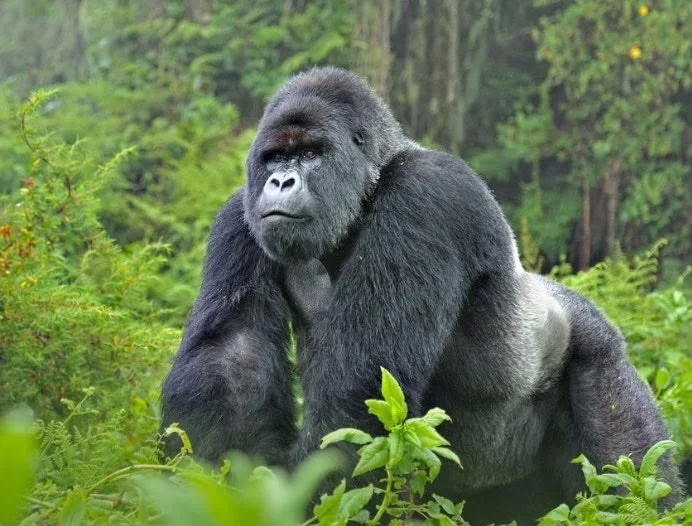
Explore the Wonders of Bwindi Impenetrable National Park Gorilla Trekking: A Traveler's Guide
Discover the magic of Bwindi Impenetrable National Park gorilla trekking. Learn what to expect and how to prepare for this unforgettable adventure! Nestled in the heart of Uganda, Bwindi Impenetrable National Park is a treasure trove of biodiversity. This UNESCO World Heritage Site is renowned for its dense forests and rich wildlife. Gorilla trekking in Bwindi is a once-in-a-lifetime experience. It offers a unique chance to observe mountain gorillas in their natural habitat. Nearly half of the world's mountain gorillas reside here. The park's rugged terrain and lush vegetation make it a challenging yet rewarding destination. Trekking through Bwindi's dense forest is an adventure that requires preparation and stamina. Visitors can expect to spend anywhere from two to eight hours trekking. The experience is both physically demanding and deeply fulfilling. Each trek offers a new perspective on the park's stunning landscapes. Gorilla trekking permits are essential and should be booked in advance. These permits help fund conservation efforts and support local communities. They are a vital part of sustainable tourism in the region. Bwindi's climate is generally cool, with temperatures ranging from 7????C to 20????C. The best time to visit is during the dry seasons, from June to August and December to February. Whether you're an adventure traveler or a wildlife enthusiast, Bwindi offers an unforgettable experience. It's a place where nature and conservation come together in harmony. Introduction to Bwindi Impenetrable National ParkOverview of Bwindi National ParkBwindi Impenetrable National Park is located in southwestern Uganda. It spans 331 square kilometers of dense forest. Known for its biodiversity, Bwindi is an ecological treasure.This park is one of the oldest rainforests in Africa. It's a pristine environment that supports a diverse range of species. Over 1,000 plant species and more than 350 bird species thrive here.Bwindi's ecosystem is part of the Albertine Rift. This region is noted for its high levels of endemism. Bwindi shelters over 120 mammal species, including rare elephants and antelopes.The park's terrain is rugged, with steep hills and dense foliage. This challenging environment is both captivating and demanding. Visitors need to be prepared for an adventurous trekking experience.A visit to Bwindi is more than just gorilla trekking. The park offers additional activities that highlight its natural beauty:Bird watching opportunitiesNature walks with local guidesCultural tours to nearby communitiesBwindi's management works with local communities to promote conservation. Sustainable tourism initiatives help preserve this unique habitat. It's a place where nature and culture come together beautifully.Significance of Gorilla TrekkingGorilla trekking at Bwindi is a highlight of any visit to Uganda. It's a unique chance to see mountain gorillas in their natural home. Nearly half the world's gorilla population resides in Bwindi.The park is divided into four sectors for trekking: Buhoma, Ruhija, Rushaga, and Nkuringo. Each sector offers different gorilla families to encounter. These families are habituated to human presence, enhancing the experience.Gorilla trekking in Bwindi supports vital conservation efforts. Permit fees contribute to protecting gorillas and their habitat. They also help fund community development initiatives in the area.Bwindi's gorilla trekking is more than a wildlife encounter. It's an opportunity for travelers to connect with nature on a deeper level. Trekking in this dense forest is both challenging and rewarding.Visitors should follow specific guidelines during their trek to ensure safety:Maintain a distance of at least 7 meters from the gorillasKeep your voice low to avoid disturbing wildlifePhotography is allowed, but flash photos are prohibitedEmbarking on a gorilla trekking adventure in Bwindi is a profound experience. It brings an unparalleled sense of awe and appreciation for these majestic creatures. It's an adventure that leaves a lasting impression on every traveler.Preparing for Gorilla TrekkingUnderstanding Gorilla TrekkingGorilla trekking in Bwindi is an unparalleled wildlife encounter. It involves hiking through dense forest to observe gorillas in their natural habitat. This experience can take anywhere from 2 to 8 hours, depending on gorilla locations.Prior to setting out, trekkers attend a briefing at the park's center. Guides explain essential trekking rules and precautions. Respect for wildlife is emphasized throughout the adventure.The experience is not only about gorillas; trekkers also enjoy stunning landscapes and diverse flora and fauna. Guides share insights into the ecosystem and gorilla behavior. Trekking groups are kept small, with a maximum of 8 people per gorilla family.Key highlights of a gorilla trekking experience include:Hikes through lush, varied terrainOpportunities to learn from knowledgeable guidesClose, respectful encounters with gorilla familiesUnderstanding the nature of gorilla trekking helps prepare you for this exhilarating experience. It's essential to respect the guidelines set to protect both the gorillas and their pristine environment.Fitness and Health PreparationGorilla trekking requires a moderate level of physical fitness. Participants trek through steep, challenging terrains. Preparing your fitness will enhance the overall experience.Before embarking, incorporate regular exercise into your routine. Activities like hiking, walking, or even stair climbing are beneficial. Cardio exercises will help improve stamina for longer treks.Health considerations are paramount; a medical check-up is advisable. Ensure you can handle high-altitude hiking and varying weather conditions. If in doubt, consult a healthcare provider.Simple steps to boost fitness for trekking:Start with daily brisk walks or jogsGradually increase the intensity of your workoutsFocus on strength and flexibility exercisesGood physical preparedness ensures you can enjoy the trek fully. Remember, trekking in Bwindi is both a thrilling adventure and a physical challenge. It's important to be ready for what nature has in store.Required Gear and EquipmentProper gear is essential for a safe and enjoyable trekking experience. The terrain is demanding, and weather conditions can change rapidly. Packing the right equipment makes the adventure more comfortable.Sturdy, waterproof hiking boots are a must. They offer ankle support and grip for uneven surfaces. Long-sleeved shirts and trousers protect against foliage and insects.Rain gear is crucial as Bwindi is a rainforest with frequent showers. A lightweight rain jacket or poncho will suffice. Layers are also wise for temperature changes throughout the day.Essential items to pack for gorilla trekking include:A hat and sunscreen for sun protectionInsect repellent to guard against bugsA reusable water bottle and energy snacksFinally, do not forget your camera for capturing unforgettable moments. With careful preparation, you're ready to immerse yourself in the beauty of Bwindi. This preparation ensures a memorable, enriching adventure in Uganda's wild heart.What to Expect During a Gorilla Trekking AdventureTrekking Experience OverviewGorilla trekking in Bwindi is a journey of anticipation and awe. From the moment you set foot in the park, the sense of adventure envelops you. Each step into the dense forest is a step closer to an extraordinary wildlife encounter.Trekkers are led by experienced rangers, who guide them through the varying terrain. The paths cut through misty mountains, offering glimpses of bamboo groves and ancient trees. As you trek, the sounds of the forest create a living soundtrack that heightens the experience.The hike's duration can vary, often depending on the proximity of the gorilla families. Patience is essential, as the search involves maneuvering through complex landscapes. Each trek is unique, presenting different challenges and rewards.Highlights of a typical gorilla trekking journey include:Immersing in the tranquil forestObserving rich biodiversity alongside gorillasEnjoying breathtaking views of the Ugandan landscapeAs you trek deeper into the forest, every rustle and distant call fuels the excitement. Anticipation builds with each step, culminating in an unforgettable wildlife moment.Safety Guidelines in Bwindi Impenetrable ParkSafety is paramount during your trekking adventure. The park enforces guidelines to protect both visitors and gorillas. These rules ensure a respectful and safe encounter with wildlife.Trekkers must maintain a distance of at least 7 meters from the gorillas. This space minimizes stress on the animals. Moreover, it reduces the risk of disease transmission between humans and gorillas.Visitors are advised to follow the instructions of their guides at all times. Guides are trained in understanding wildlife behavior. They ensure the safety and integrity of the trekking experience.Key safety precautions to consider include:Avoid making loud noises to prevent startling the gorillasRefrain from eating or drinking near the gorillasListen carefully to the guide's briefingsIn Bwindi, safety guidelines play a crucial role in wildlife conservation efforts. They preserve the natural behavior and health of the gorillas while enriching the trekking experience.First Encounter with the Gorillas.The first glimpse of a gorilla family is both thrilling and humbling. Observing these magnificent creatures in their natural habitat is an unparalleled moment. The group's dynamics and individual behaviors are captivating to witness.Gorillas, though habituated, maintain an aura of wild majesty. Observing their familial interactions, eating habits, and playful antics offers insights into their world. Each family has unique characteristics, adding to the richness of the experience.Silence is golden during the encounter. It allows you to soak in the nuances of gorilla life, creating a profound connection. While photography is encouraged, flash photography is strictly forbidden to avoid disturbing them.Memorable aspects of a gorilla encounter include:Noting subtle facial expressions and social interactionsWitnessing playful juveniles and protective silverbacksUnderstanding the importance of conservation through firsthand experienceEngaging with gorillas is an emotional highlight, deepening appreciation for wildlife conservation. It????????s an experience that stays etched in memory, reminding us of the delicate balance of nature.Best Time to Visit Bwindi Impenetrable Forest National Park.Seasonal Insights.Planning a trip to Bwindi requires timing considerations to maximize your experience. The region, nestled in Uganda's verdant landscapes, is a year-round destination but has its seasonal nuances. The dry seasons, from June to August and December to February, are prime times for trekking.During these months, the trails are less slippery, providing a safer and more enjoyable trekking experience. Additionally, wildlife is easier to spot as animals are more likely to gather around water sources. This enhances your chances of a close encounter with the park's iconic gorillas.The rainy seasons, from March to May and September to November, offer their own charm. The forest comes alive with lush growth, and birdlife flourishes. However, trails may be challenging during heavy rains, requiring more stamina and preparation.When considering the best time to visit, keep in mind:Trail conditions and accessibilityWildlife visibility and activityPersonal preference for dry or lush environmentsEach season in Bwindi paints the landscape differently, providing unique experiences. Regardless of when you visit, the park's splendor promises to captivate.Weather Considerations.Bwindi's climate is influenced by its location and altitude, presenting mild temperatures. Typically, daytime temperatures range from 7????C to 20????C, which is fairly cool and comfortable. However, weather conditions can be unpredictable, with sudden rain showers even during dry months.Preparation is key. Visitors should pack suitable clothing to adapt to changing temperatures and conditions. Lightweight layers, waterproof jackets, and sturdy hiking boots are essential for an enjoyable trekking experience.When preparing for your trip, consider these weather-related tips:Anticipate temperature fluctuations and dress in layersCarry rain gear regardless of the seasonOpt for quick-drying and moisture-wicking clothingUnderstanding Bwindi's weather patterns enhances your preparation and ensures a more pleasant adventure. Embrace the unpredictability as part of the park's unique charm, making each visit a fresh experience.Additional Activities in Bwindi Forest National Park.Bird Watching and Nature Walks.Beyond gorilla trekking, Bwindi Impenetrable Forest National Park offers a rich tapestry of activities. One of the park's hidden gems is its vibrant birdlife. Hosting over 350 bird species, it is a paradise for birdwatchers. Rare and colorful birds such as the African green broadbill and the Shelley????????s crimson-wing capture the attention of enthusiasts.Nature walks in Bwindi are equally enchanting. These guided walks unravel the intricate beauty of the park????????s ecosystem. Stroll along trails that wind through dense vegetation and uncover a world teeming with life. Visitors may encounter a variety of flora and fauna, gaining insights from knowledgeable guides.For birding and nature enthusiasts, here are some recommended activities:Join guided birdwatching tours for early morning sightingsParticipate in nature walks to explore diverse habitatsCapture breathtaking photos of rare bird speciesThese activities provide an in-depth understanding of Bwindi's biodiversity, making it more than just a gorilla destination.Cultural Experiences with the Local Communities.Immersing in Bwindi's cultural scene offers visitors a deep connection with its people. Local communities welcome travelers with warmth, eager to share their rich traditions and stories. Engaging with these communities provides a glimpse into their everyday lives and ancient customs.Experience traditional dances, learn about unique handicrafts, or participate in storytelling sessions. These activities not only enrich your visit but also support local development projects. By engaging with the locals, travelers contribute to sustaining cultural heritage and improving livelihoods.For a culturally immersive experience, consider:Visiting community centers or workshopsJoining in traditional dance performancesPurchasing locally-made crafts as souvenirsThese interactions create a bridge between travelers and communities, fostering mutual understanding and respect.Wildlife Exploration Beyond Gorillas.While gorillas are Bwindi????????s stars, many other fascinating creatures thrive here. The park????????s dense vegetation shelters over 120 mammal species, including forest elephants and playful antelopes. Spotting these creatures adds an exciting dimension to the Bwindi experience.Expert guides lead wildlife excursions throughout the park, unveiling different species and their habitats. Hikers may also spot chameleons and various primates, including black-and-white colobus monkeys.Wildlife enthusiasts should explore beyond gorillas by:Embarking on guided wildlife viewing safarisExploring different sectors of the park for diverse sightingsLearning about the park????????s conservation efforts and successesThese explorations reveal the richness of Bwindi's natural world, making each visit a multifaceted adventure. The park????????s diverse wildlife showcases the beauty and complexity of Uganda????????s ecosystems.Conclusion: Embrace the Adventure in Bwindi.Bwindi Impenetrable National Park promises an unforgettable journey into the heart of Uganda's natural splendor. From the thrilling gorilla trekking experiences to the serene beauty of its landscapes, every moment offers a chance to connect with nature on a profound level. This park not only provides adventure but also serves as a sanctuary for diverse wildlife and a beacon of successful conservation efforts.Visitors leave Bwindi with more than memories; they gain a deep appreciation for the fragility and resilience of these ecosystems. Engaging with local communities adds a rich cultural layer to the adventure, making it a holistic experience. As travelers traverse the impenetrable forest, they become part of a larger narrative????????one of preservation, respect, and awe. Whether you're an avid wildlife enthusiast or a curious explorer, Bwindi's wonders invite you to embrace its challenges and rewards. This extraordinary adventure is not just about seeing gorillas; it's about finding inspiration in the wild.
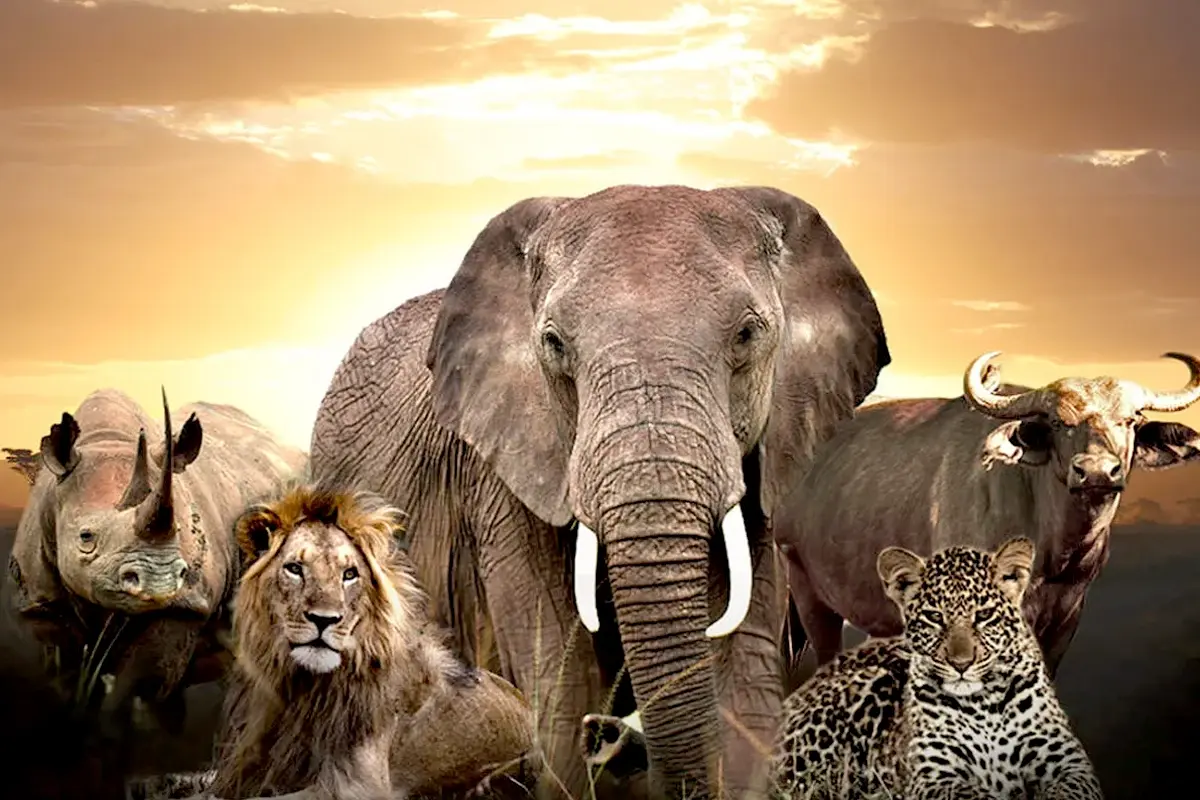 Adventure Travel
Uganda's Big Five in Murchison Falls and Queen Elizabeth national parks
Step Into the WildThere's a moment in every safari when time slows down, the grass sways, the birds hush, and the only sound you hear is your heartbeat. Then, out of the silence, a lion appears on the track, golden eyes fixed ahead. This is the magic of Queen Elizabeth National Park, Uganda's most iconic safari destination.Stretching from the Rwenzori Mountains to the shores of Lake Edward, this park is home to sprawling savannahs, lush forests, crater lakes, and an astonishing diversity of wildlife. And at the heart of it all? The legendary Big Five. MEET THE BIG FIVE OF QUEEN ELIZABETH NATIONAL PARK1. African Lion (Tree-Climbing Lions of Ishasha) Unlike anywhere else in Africa, the lions here spend their days lounging in fig trees. Spotting them is a photographer's dream and a memory you'll never forget.Way of Life: Lions are social cats living in prides (usually 10-15 lions). Male lions defend the territory, while females do most of the hunting.Feeding: Carnivorous. Hunt in groups to catch medium-to-large herbivores like zebras, wildebeests, and buffaloes.Capacity/Size: Males weigh 150-250 kg, females 120-182 kg. Shoulder height around 1.2 m.Gestation Period: 110 days.Why the Big Five? Lions are formidable predators and dangerous to humans, making them among the most challenging to hunt.Ecological Importance: As apex predators, lions control herbivore populations, preventing overgrazing and maintaining ecosystem balance. 2. The Stealthy Leopard (African Leopard)Rare and elusive, leopards prowl the Mweya Peninsula and Kasenyi plains. Sunrise or sunset drives are your best chance to glimpse this spotted ghost of the savannah.Way of Life: Solitary and mostly nocturnal. Leopards are secretive, excellent climbers, and often drag prey into trees to avoid scavengers.Feeding: Carnivorous. Eat antelopes, monkeys, rodents, and birds.Capacity/Size: Males weigh 37-90 kg, females 28-60 kg. Length: 1-1.5 m (excluding tail).Gestation Period: 90-105 days.Why The Big Five?: Known for their strength, stealth, and danger when hunted, making them highly prized by hunters.Ecological Importance: Control populations of smaller herbivores and mesopredators, helping maintain healthy biodiversity. 3. The Giants of the Kazinga Channel (African Elephant)Herds of elephants gather at the water's edge, sometimes over a hundred strong. On a boat safari, you'll see them splash, drink, and bathe against a backdrop of hippos and crocodiles.Way of Life: Elephants live in family herds led by a matriarch (the oldest female). They are highly social, intelligent, and communicate through sounds and vibrations. They travel long distances in search of food and water.Feeding: Herbivorous. They consume grasses, leaves, fruits, bark, and roots, eating up to 150 kg of vegetation daily.Capacity/Size: Largest land mammal. Males can weigh 4,500-6,800 kg and reach 3-4 m in height.Gestation Period: About 22 months (the longest of any land mammal).Why The Big Five?: Because of their size, strength, and difficulty to hunt on foot, they were historically considered the most dangerous to hunters.Ecological Importance: They are ecosystem engineers. By uprooting trees and clearing paths, they maintain savannah and forest ecosystems. Their dung disperses seeds and provides nutrients for other species. 4. The Untamed Buffalo (African Buffalo or Cape Buffalo)Strong and stubborn, buffalo move in massive herds across the plains, majestic and a little intimidating.Way of Life: Live in large herds ranging from a few individuals to thousands. Herds offer protection from predators.Feeding: Herbivorous. Graze on grasses; some species browse on shrubs.Capacity/Size: Males weigh 500-900 kg, females 400-700 kg. Shoulder height about 1.0-1.7 m.Gestation Period: About 11.5 months (340 days).Why The Big Five?: Extremely strong and unpredictable; capable of goring hunters.Ecological Importance: Maintain grassland ecosystems by grazing; their movement helps disperse seeds and their dung enriches the soil. 5. Rhinoceros (Black and White Rhino)Way of Life: Solitary (black rhino) or semi-social (white rhino). They have poor eyesight but a strong sense of smell and hearing.Feeding: Herbivorous. Black rhinos are browsers (eat shrubs, trees), white rhinos are grazers (eat grasses).Capacity/Size: White rhino weighs 1,400-3,600 kg, black rhino 800-1,400 kg. Shoulder height 1.5-1.8 m.Gestation Period: Black rhino: ~15 months; White rhino: 16-18 months.Why The Big Five?: Difficult to hunt due to size, horned threat, and aggressive defense.Ecological Importance: Graze and browse vegetation, shaping landscapes. Their dung supports insect populations and nutrient cycling.(Rhinos are the only Big Five missing here, but you can meet them at Ziwa Rhino Sanctuary on a longer Ugandan safari.) Summary of the Big Five Origin:Big-game hunters coined the term “Big Five” for the five most difficult and dangerous animals to hunt on foot. Today, it's a tourism and conservation term highlighting iconic African wildlife.Ecological Importance of the Big Five:Maintain balance in ecosystems through predation and grazing.Influence vegetation patterns and seed dispersal.Support biodiversity and ecosystem health.Attract tourism, supporting local economies and conservation funding. More Than the Big FiveQueen Elizabeth National Park holds more than big names. Explore Kyambura Gorge, also called the Valley of the Apes, for thrilling chimpanzee tracking. Cruise along the Kazinga Channel and watch hippos by the hundreds, crocodiles lurking, and an explosion of birdlife- over 600 species, from African fish eagles to flamboyant flamingos.This is a park where every turn writes a new story. How to Get ThereBy Road From Kampala or Entebbe, the drive takes 6-7 hours, winding through tea plantations, crater lakes, and lively towns. You can arrive via Fort Portal for breathtaking scenery or via Mbarara if you plan to connect with Bwindi or Lake Mburo.By Air Short flights with local carriers like Aerolink Uganda take you directly to Kasese, Mweya, or Ishasha airstrips. It's quick, scenic, and perfect if you want more time in the wild.Best Time to VisitDry Seasons (Jan-Feb, Jun-Sept): Ideal for game drives, when animals gather around waterholes and grass stays short.Green Seasons (Mar-May, Oct-Dec): Lush landscapes, dramatic skies, and great photography, though with more rain.The park is open year-round. You just choose the story you want to experience. Where to StayLuxury: Kyambura Gorge Lodge, Ishasha Wilderness Camp, Elephant Plains Lodge.Mid-Range: Marafiki Safari Lodge, Parkview Lodge, Pumba Safari Cottages.Budget: Simba Safari Camp, Engiri Lodge, Mweya Hostels.Whether you crave comfort, style, or affordability, there's always a bed waiting under the Ugandan stars. Why Choose Ossicones Safaris?Your safari isn't just about seeing animals—it's about how you experience them. At Ossicones Safaris, we create journeys that feel personal, thoughtful, and unforgettable.Perfectly Timed Safaris: We know when to find lions in the trees and when the elephants gather at the channel.Photography-Friendly: We design itineraries that give you golden light, unhurried drives, and room to capture that perfect shot.Local Expertise: With deep knowledge of western Uganda's safari circuit, we connect you seamlessly from Queen Elizabeth to Bwindi, Kibale, or beyond.Unique Adventures: From Kazinga Channel cruises to chimp trekking in Kyambura, we make sure your safari is more than just a checklist.Tailored for You: Luxury or budget, honeymoon, or family trip, we craft the experience around your story. Begin Your Story in the WildPicture yourself on a boat, drifting silently along the Kazinga Channel, camera in hand. Elephants drink at the shore, hippos snort beside you, and the sunset paints the sky gold. Later that evening, you fall asleep to the roar of lions in the distance.This is Queen Elizabeth National Park. This is Uganda.And with Ossicones Safaris, it's not just a safari- it's your story.Start planning your Big Five adventure with Ossicones Safaris today.Tap to check our packages and book your safari here or 3-Day Luxury Queen Elizabeth National Park Safari (5????????10 People) - Ossicones Safaris Uganda (For A Luxury Budget)
Our Photo Gallery
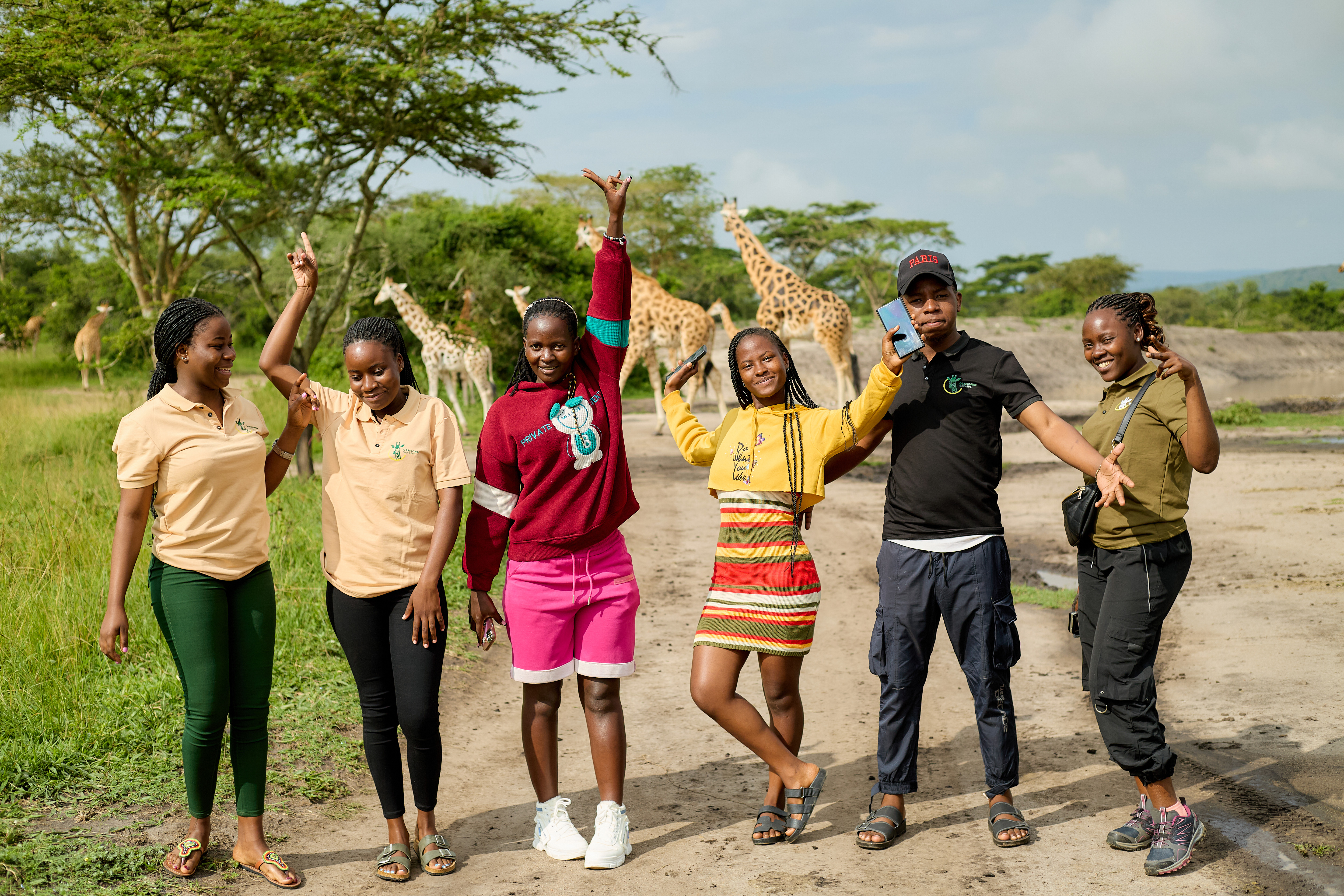
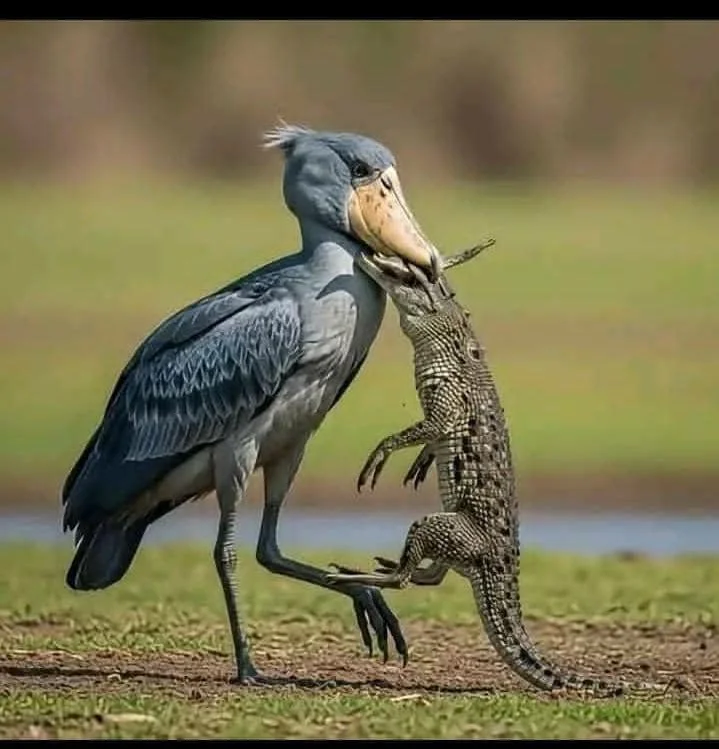
Ready for Your Dream Safari?
Let us create a personalized itinerary that matches your interests, budget, and travel dates.
Our Trusted Partners