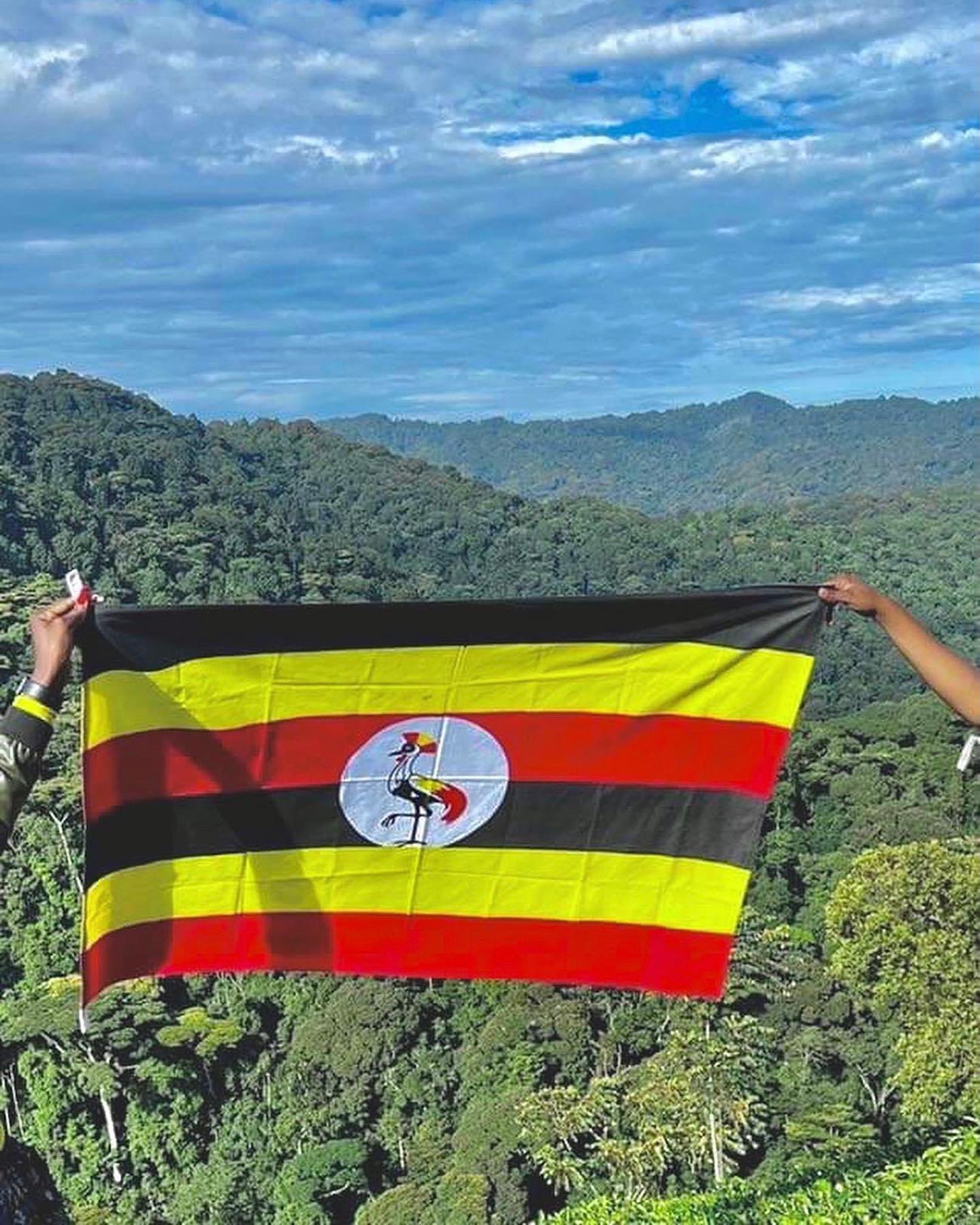
Choosing the best time for your Uganda tour enhances your experience. The prime months for visiting are June to September and December to February. These periods correspond with the dry seasons, making wildlife viewing more rewarding.
During these times, animals gather around water sources, creating excellent opportunities for spotting diverse wildlife. Additionally, travel conditions are more favorable, with less rain affecting roads and parks. While these months are popular, they offer the best chance for memorable sightings and activities. Planning your visit during these months ensures you experience Uganda’s natural beauty and wildlife at its best, offering a more fulfilling and enjoyable adventure.
Seasonal Climate Overview
Uganda's climate varies significantly due to its diverse landscapes and altitudes. While the country enjoys a generally tropical climate, regional differences are prominent. Understanding these variations can help you plan your activities better.
In the southern regions, you will find rainfall more frequent during March to May and September to November. These areas, such as Bwindi Impenetrable National Park, are wetter and cooler due to higher altitudes. The wet season often creates lush, green landscapes, ideal for photography despite the rain.
On the other hand, northern Uganda, which includes destinations like Kidepo Valley National Park, experiences a more distinct dry season. From November to March, this region becomes noticeably hotter and dryer, influencing wildlife behavior and accessibility. The arid conditions often drive animals closer to sparse water sources.
The Rwenzori Mountains, known for their challenging hikes, present a unique climate on their own. With persistent cool and wet conditions, they offer a real challenge for trekkers. It's essential to prepare for fluctuating temperatures, particularly at higher elevations.
Here’s a quick overview of Uganda's climate regions:
Southwest (Bwindi/Kibale): Mild and wetter, cool temperatures.
North (Kidepo): Hot and dry, less rain.
Mountains (Rwenzori): Cold, often rainy, especially at altitudes.
Understanding Uganda’s climate helps enhance your travel plans, ensuring you pack appropriate gear and prioritize activities that suit the weather. This preparation not only improves your experience but also contributes to a more sustainable trip by minimizing unforeseen obstacles. Plan your Uganda safari tour here with Ossicones Safaris.